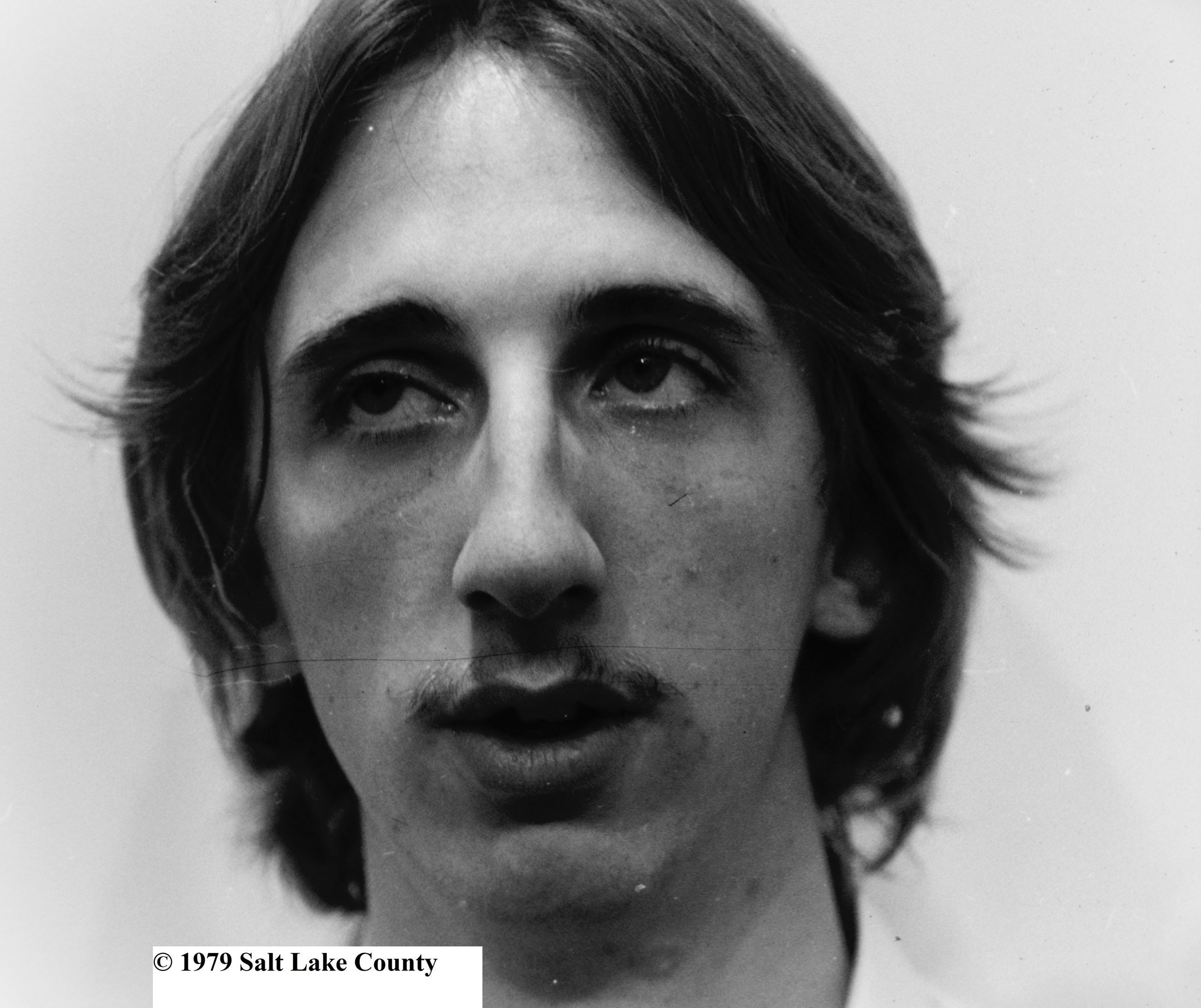
Michael Woodbury: The Two-State Killer
Overview
Michael Lawrence Woodbury is a convicted serial killer responsible for four murders in two separate incidents a decade apart. In 2007, he shot and killed three men during a botched robbery at a military surplus store in Conway, New Hampshire. After pleading guilty to avoid a potential death sentence, he was serving three consecutive life sentences. In 2017, while incarcerated in Florida under an interstate compact agreement, Woodbury brutally murdered his cellmate. He represented himself in the subsequent trial, pleaded guilty mid-trial, and was sentenced to death. His case is marked by his courtroom behavior, his history of mental illness, and the stark violence of his crimes.
Early Life and Background
Michael Woodbury was born on December 31, 1975, in Windham, Maine. His biological father gave him up for adoption, and he was adopted at the age of seven by Ed Woodbury. He grew up in Windham's Dundee Park neighborhood and attended local schools until the tenth grade. His adoptive father later stated that the family had very little contact with Michael during his adult life, consisting of only a few short visits and phone calls over 13 years.
Woodbury's criminal history began in his youth. He was sent to jail at the age of 16 and spent most of his adult life incarcerated. Less than two months before the New Hampshire murders, he had completed a five-year sentence in Maine for theft. Woodbury later claimed he had warned prison officials that he was a danger to society upon his release, even writing a four-page letter to a prison therapist about his potential to "crack." He blamed Maine prison officials for releasing him without probation or supervision. In the weeks between his release and the triple murder, authorities believe Woodbury went on a multi-state crime spree that included robbery, burglary, arson, and car theft in South Carolina, Georgia, Kentucky, and Tennessee.
The Conway Triple Murder
On July 2, 2007, Michael Woodbury, then 31, entered the Army Barracks, a military surplus store on White Mountain Highway in Conway, New Hampshire, with the intent to commit a robbery. Inside the store, he shot and killed three men. The victims were the store's manager, James Walker, 34, and two customers, William Jones, 25, and Gary Jones, 23. The two customers, who were not related, were from Massachusetts and had traveled to the area for a camping trip.
Woodbury later confessed to reporters, stating the robbery was "botched" by the victims. He said he shot them because they interfered with his attempt to get money. The murders triggered a massive 24-hour manhunt involving multiple law enforcement agencies.
The Victims
- James Walker, 34 — The manager of the Army Barracks store in Conway, he was a resident of Denmark, Maine. He left behind a wife and a one-year-old son, as well as an eight-year-old daughter from a previous relationship.
- William Jones, 25 — A resident of Walpole, Massachusetts, he was a hardworking young man who was in New Hampshire on a camping trip with his friend, Gary Jones. His father described them as being "like brothers."
- Gary Jones, 23 — From Plymouth, Massachusetts, he was a friend of William Jones who had joined him for the camping trip. His family and William's family came to New Hampshire for Woodbury's arraignment to see the person accused of killing their sons.
- Antoneeze Haynes — An inmate at Okeechobee Correctional Institution in Florida, he was murdered by his cellmate, Michael Woodbury, on September 22, 2017.
Investigation and Capture
Following the shootings in Conway, Michael Woodbury fled the scene, sparking an intense manhunt. The search ended the next day, on July 3, 2007, in Fryeburg, Maine, a few miles from Conway. An officer from the Fryeburg Police Department spotted Woodbury walking along railroad tracks behind a fitness club and arrested him without incident.
Woodbury was initially held at the Oxford County Jail in Maine. While being escorted to an extradition hearing on July 5, he made a stunning confession to a group of reporters. When asked if he had killed the three men, he replied, "Unfortunately, I did." Asked for a reason, he stated he "needed the money." He waived extradition and was transferred to New Hampshire to face charges.
New Hampshire Trial and Sentence
On July 4, 2007, New Hampshire authorities charged Woodbury with three counts of first-degree murder. He was formally arraigned on July 7. During his initial court appearances, Woodbury exhibited defiant and unusual behavior, complaining about his treatment in the Carroll County jail and addressing the judge and court officers directly.
Prosecutors initially considered seeking the death penalty. However, on August 9, 2007, a plea agreement was reached. Woodbury agreed to plead guilty to three counts of first-degree murder in exchange for three consecutive life sentences without the possibility of parole. A key part of the deal for Woodbury was reportedly having a choice in where he would be imprisoned. On August 18, 2007, he formally entered his guilty pleas and was sentenced accordingly by Judge Edward Fitzgerald.
Murder of Antoneeze Haynes
After his conviction in New Hampshire, Woodbury was eventually transferred to the Florida prison system. By 2017, he was an inmate at the Okeechobee Correctional Institution. On September 22, 2017, Woodbury brutally murdered his cellmate, Antoneeze Haynes.
According to court records, Woodbury barricaded the door to their shared cell and tortured Haynes for hours. He used his fists, boots, and a padlock as a weapon. During the assault, Woodbury created a hostage situation, taunting correctional officers and telling them, "You're probably going to need a body bag." The medical examiner's testimony detailed the horrific extent of Haynes's injuries, which included severe brain hemorrhages, a broken jaw, nearly every rib fractured, and dozens of lacerations across his body. Woodbury only surrendered after a tactical team arrived to extract him from the cell.
Florida Trial and Death Sentence
A grand jury in Okeechobee County indicted Woodbury for first-degree premeditated murder on March 13, 2018, and prosecutors announced their intent to seek the death penalty. Woodbury, who had a long history of mental health issues including diagnoses of bipolar disorder and schizophrenia, insisted on representing himself at trial. After finding him competent to do so, the court granted his request, with standby counsel appointed to assist him.
The trial began on May 17, 2018. In his opening statement, Woodbury claimed he attacked Haynes in self-defense after Haynes allegedly tried to sexually assault him. However, on May 21, the third day of the trial, after taking the stand to testify and thus avoiding cross-examination, Woodbury abruptly changed his plea to "guilty as charged."
The case then moved to the penalty phase. Woodbury again chose to represent himself and opted not to present mitigating evidence related to his mental health diagnoses. The jury unanimously recommended a death sentence, and the trial court formally imposed it. Woodbury is now on death row at the Union Correctional Institution in Florida.
Appeals and Aftermath
Woodbury has pursued multiple appeals of his death sentence, all of which have been unsuccessful. His appeals have argued, among other things, that he was incompetent to represent himself due to his severe mental illness. The Florida Supreme Court rejected his direct appeal on April 15, 2021.
His lawyers then took the case to the U.S. Supreme Court, which dismissed the appeal on February 24, 2022. Woodbury has continued to file post-conviction motions. On June 11, 2026, the Florida Supreme Court unanimously affirmed a lower court's denial of his post-conviction claims, which included arguments that his death sentence was unconstitutional due to his mental illness and that he was insane and could not be executed. As of late 2026, Michael Woodbury remains on death row.