Unknown: The Toronto Hospital Baby Deaths
Overview
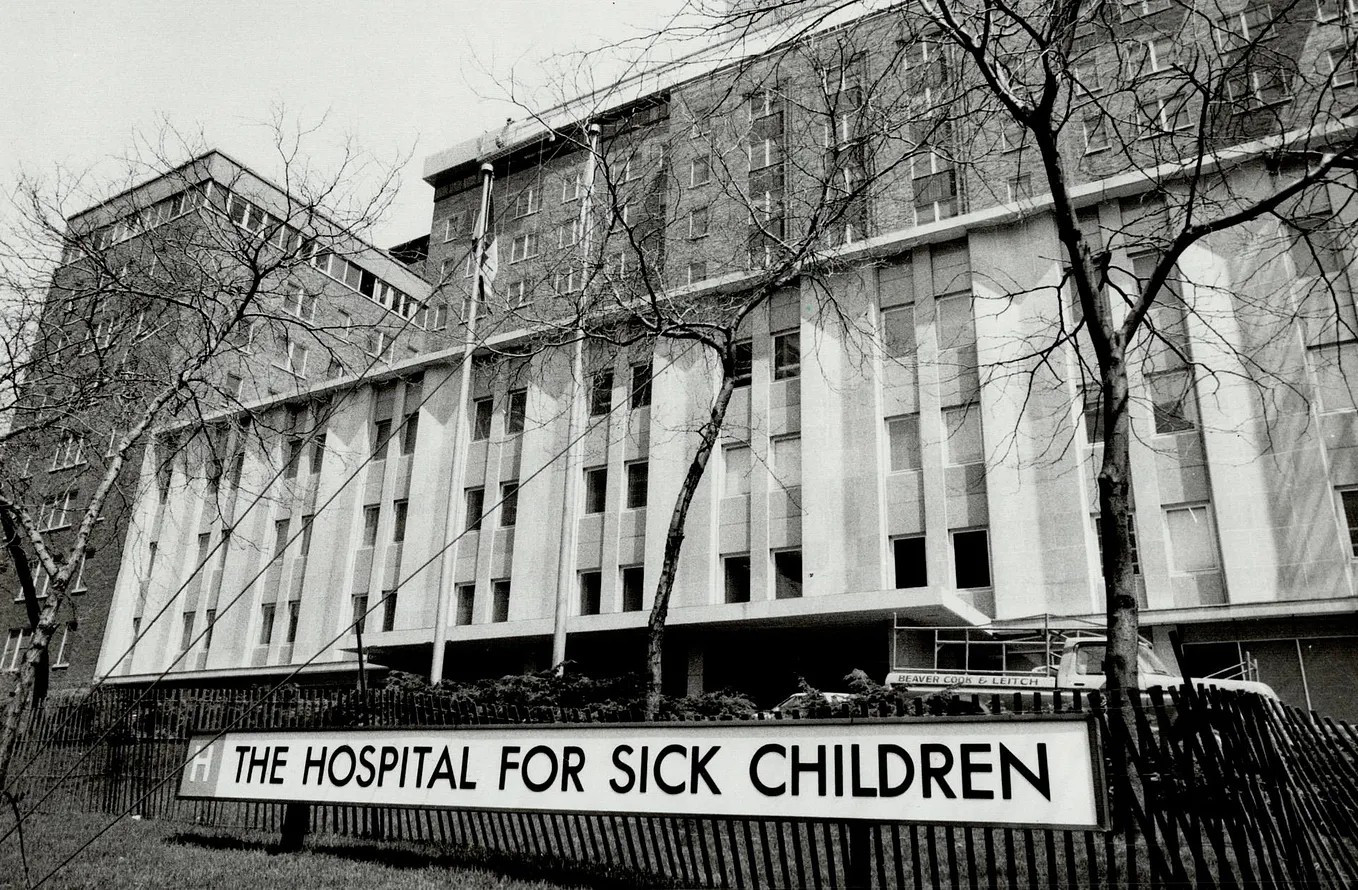
Between June 1980 and March 1981, a wave of unexplained infant deaths swept through the cardiac wards of the renowned Hospital for Sick Children in Toronto, Ontario. A sudden and dramatic spike in mortality, later estimated to be a 625% increase, created an atmosphere of fear and suspicion among staff and parents. The crisis escalated when autopsies revealed what appeared to be lethal levels of the heart medication digoxin in the bodies of several babies, leading investigators to believe a serial killer was at work within the hospital walls.
The ensuing police investigation and media frenzy focused on the nursing staff, culminating in the arrest of 24-year-old nurse Susan Nelles, who was charged with four counts of first-degree murder. However, the case against her crumbled during a preliminary hearing, and she was exonerated. A subsequent Royal Commission, known as the Grange Commission, concluded that at least eight of the deaths were homicides by digoxin poisoning, but it was legally barred from naming a suspect. In the decades that followed, the official narrative of deliberate poisoning has been challenged by new scientific theories, suggesting that the initial tests may have been flawed and that the deaths could have resulted from other causes. To this day, the Toronto hospital baby deaths remain one of Canada's most profound and unsettling medical mysteries, with no one ever held criminally responsible.
A Spike in Mortality
The crisis began quietly on June 30, 1980, with the unexpected death of 18-day-old Laura Woodcock in the cardiac unit. In the months that followed, the number of infant deaths on wards 4A and 4B, which cared for critically ill babies with heart conditions, began to climb at an alarming rate. By the fall of 1980, concerned nurses noted the pattern and approached the unit's cardiologists. An internal hospital investigation was conducted but, wary of damaging staff morale, concluded the deaths were from natural causes.
Despite these assurances, the deaths continued. Nurses began to speak of a "jinx team," a group of staff members whose shifts seemed to coincide with the tragic events. The situation reached a breaking point in March 1981. On March 12, the father of 25-day-old Kevin Pacsai, who had died unexpectedly, became distraught and demanded answers from hospital staff. His emotional confrontation prompted a senior cardiologist to contact the Metro Toronto coroner, Dr. Paul Tepperman.
Dr. Tepperman's involvement uncovered a horrifying detail: an autopsy on four-month-old Janice Estrella, who had died in January, had revealed an extraordinarily high level of digoxin in her system. Days later, another deceased infant was found to have 13 times the therapeutic dose of the same drug. When another baby, Justin Cook, died on March 22 with massive, unprescribed levels of digoxin in his blood, the hospital finally called the police.
The Deaths
The period between June 1980 and March 1981 saw a significant number of infant deaths on the cardiac wards, with a Royal Commission later scrutinizing 36 of them. The commission ultimately concluded that eight of these deaths were deliberate homicides caused by digoxin overdose, while another 13 were deemed "highly suspicious."
The babies were all patients in the cardiac unit, many recovering from surgery or being treated for complex heart defects. The deaths were often sudden and unexpected. Infants who had been considered stable would abruptly go into cardiac arrest and could not be resuscitated. The symptoms preceding death, such as an irregular or slow heartbeat and vomiting, were consistent with digoxin toxicity, but could also be attributed to the babies' underlying medical conditions, making it difficult to pinpoint the cause without toxicological testing.
The investigation focused on the theory that a hospital staff member with access to medications was intentionally administering fatal doses of digoxin. This powerful heart medication, used to treat cardiac issues, has a narrow therapeutic window, especially in infants, meaning the line between a therapeutic and a toxic dose is very fine. At the time, security around such medications was lax, with digoxin being freely accessible on the ward. After police were called in and the drug was placed under lock and key, the sudden spike in deaths ceased.
The Victims
The Grange Commission identified eight infants as victims of homicide. While many other babies died during this period, these eight were the focus of the inquiry's strongest conclusions.
- Laura Woodcock, 18 days — Died on June 30, 1980, her death marking the beginning of the alarming increase in mortality on the cardiac ward.
- Stephanie Lombardo, 10 days — Died just before Christmas in 1980, six days after undergoing heart surgery. Her body was later exhumed as part of the investigation.
- Janice Estrella, 4 months — Died on January 11, 1981. An autopsy revealed what was described as the highest level of digoxin the coroner had ever heard of, a key finding that triggered the broader investigation.
- Kevin Pacsai, 25 days — Died on March 12, 1981. The intense grief and suspicion of his father were instrumental in prompting the hospital to involve the coroner.
- Allana Miller, 11 months — Died on March 21, 1981. Her autopsy also showed a massively elevated level of digoxin.
- Justin Cook, 3 months — Died on March 22, 1981, just one day after Allana Miller. He had never been prescribed digoxin, yet his body contained a lethal amount, confirming investigators' fears of foul play.
- Jordan Hines — His death was one of the eight ruled a homicide by the Grange Commission.
- Kristin Inwood — Her test results showed what was noted as "the highest level of serum digoxin ever recorded," making her another of the definitive cases identified by the inquiry.
Investigation and Arrest
Once police were involved in late March 1981, they began an intensive investigation within the hospital. Detectives in white medical coats searched staff lockers, interviewed personnel, and meticulously reviewed medical charts and nursing schedules. Their focus quickly narrowed to the nurses on the cardiac wards, particularly those on duty during the times of the suspicious deaths.
Suspicion fell upon Susan Nelles, a 24-year-old nurse who was described as quiet and dedicated. Investigators determined she had been on duty during many of the deaths and had cared for some of the infants who died. Colleagues' subjective impressions of her seemingly detached reaction to the deaths also fueled suspicion. When questioned by police, Nelles requested to speak with a lawyer, an act that investigators at the time reportedly interpreted as a sign of guilt.
On March 25, 1981, Susan Nelles was arrested and charged with the first-degree murders of Justin Cook, Janice Estrella, Kevin Pacsai, and Allana Miller. The arrest of a nurse accused of killing babies in her care sent shockwaves through Toronto and across Canada. Nelles was released on bail and became the center of a media firestorm.
Preliminary Hearing and Exoneration
Susan Nelles's preliminary hearing began in January 1982 and lasted 41 days, involving testimony from over 100 witnesses. The prosecution's case, which suggested Nelles was the sole person responsible for the deaths, began to unravel under scrutiny.
A critical blow to the Crown's case came from evidence compiled by Nelles's defense lawyer. A chart of nursing schedules revealed that while Nelles was on duty for many of the suspicious deaths, she was not present for all of them. Crucially, she had an ironclad alibi for the death of one of the four babies she was charged with murdering. The presiding judge, David Vanek, concluded that this death was indeed a murder, which undermined the theory that Nelles was the lone killer. Judge Vanek found no direct evidence implicating Nelles, stating that her actions were "perfectly consistent with the due and proper performance of her regular duties."
In May 1982, Judge Vanek dismissed all charges against Nelles, ruling that there was insufficient evidence to proceed to trial. She was exonerated, though her life and career were irrevocably scarred by the accusation. She later sued for malicious prosecution, and the provincial government settled, paying her legal costs.
The Grange Commission
Following the collapse of the criminal case against Susan Nelles, the Ontario government established a Royal Commission of Inquiry in 1983 to investigate the deaths. Led by Justice Samuel Grange, the commission spent 18 months hearing from hundreds of witnesses and examining medical records and autopsy reports.
In its final report, released in 1984, the Grange Commission delivered a stark conclusion: eight of the infant deaths were homicides by deliberate digoxin overdose, and another 13 were highly suspicious. The report heavily criticized the Hospital for Sick Children for its lax security around drugs, its failure to properly investigate the spike in deaths, and its poor oversight. While the commission concluded that murders had occurred, its terms of reference prevented it from expressing any conclusion on civil or criminal responsibility, meaning it could not name the person or persons it believed were responsible.
During the inquiry, another nurse, Phyllis Trayner, who was the team leader on many of the shifts when babies died, came under intense scrutiny. An analysis by the U.S. Centers for Disease Control and Prevention found she was the only nurse on duty for all 29 cases they reviewed. Trayner denied any wrongdoing during grueling testimony and was never charged. She resigned after the report was released.
Aftermath and Lingering Questions
The Toronto hospital baby deaths left a lasting and painful legacy. The case led to significant reforms in hospital procedures across Canada, including stricter controls on medication access, improved record-keeping, and enhanced oversight of mortality rates. For the families of the victims, the lack of a definitive resolution meant their grief was compounded by unanswered questions.
In the decades since the Grange Commission, the central theory of digoxin poisoning has been challenged. In 2011, a new theory emerged, proposed by researcher David Seccombe and detailed in a book by retired physician Dr. Gavin Hamilton. They argued that the deaths were not murders at all. Their research suggested that a chemical compound, mercaptobenzothiazole (MBT), could have leached from the rubber stoppers of pre-filled syringes used at the time. This compound, they claimed, could produce false positive results for digoxin in the radioimmunoassay tests used in the 1980s and might also have been toxic to the already fragile infants.
This alternative explanation cast significant doubt on the findings of the Grange Commission. Susan Nelles herself has consistently maintained her belief that no murders took place. However, others, including some epidemiologists and investigators involved in the original case, continue to believe that the deaths were the result of deliberate acts of homicide. With no confession, no further charges, and conflicting scientific interpretations, the truth of what happened on the cardiac wards of the Hospital for Sick Children between 1980 and 1981 remains shrouded in uncertainty.