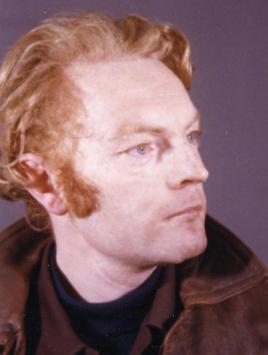
Dallas Proctor Broich, a 43-year-old man, was last seen in Edmonton, Alberta, on October 8, 2012. The publicly available record surrounding his disappearance is unusually sparse, leaving only a limited picture of the circumstances under which he vanished. What is clear is that Broich was an adult with an established life in Alberta when contact with him ended and he was subsequently reported missing to police.
Unlike many missing-person cases in which news reports preserve a detailed timeline of a person’s final movements, there appears to be very little surviving public information describing where in Edmonton he was last seen, who last spoke with him, what he was doing immediately beforehand, or whether he was believed to be travelling anywhere after leaving. That absence of detail has left a substantial gap between the last known point in his life and the investigation that followed.
One of the few independent public records connected to Broich’s disappearance emerged not through a traditional missing-person appeal, but through an Alberta human-rights proceeding. A published legal record concerning Broich v. Alstom Power Canada Inc. states that Broich’s mother informed the proceeding that he had been reported missing to police and was therefore unavailable to participate in the case. His disappearance had an immediate practical consequence: the tribunal could not obtain testimony that was considered necessary to determine the human-rights complaint. The matter was adjourned several times, apparently allowing an opportunity for circumstances to change or for Broich to become available, but his absence continued. The tribunal ultimately concluded that the complaint could not properly proceed without the required evidence and dismissed the matter. The decision described his absence as unexplained, an unusually stark phrase in an official legal record that illustrates how completely his disappearance interrupted the ordinary course of his life.
The human-rights record also provides an important glimpse into the impact of the disappearance beyond the police investigation itself. Broich had matters underway that ordinarily would have required his continued participation, yet he was suddenly no longer available to give evidence, communicate with the tribunal, or move the proceeding forward. His mother was left in the position of explaining that he had been reported missing, while officials were forced to address a legal case whose central participant could no longer be located. The published decision does not explain what caused Broich to disappear, and the online material located for his case does not establish whether investigators found evidence of an accident, voluntary departure, foul play, or another explanation. There is likewise little publicly accessible information describing searches, possible sightings, vehicles, belongings, financial activity, telephone records, or other investigative developments that might have helped reconstruct his movements. In overview, Dallas Proctor Broich’s case is the disappearance of a 43-year-old Edmonton man whose known life was abruptly interrupted after he was last seen on October 8, 2012; one of the strongest surviving public traces of what followed is an official Alberta proceeding documenting that his mother had reported him missing to police and that his unexplained absence prevented him from continuing an important legal matter, leaving the central question of what happened to him without a publicly documented answer.Last Seen: Oct 8, 2012