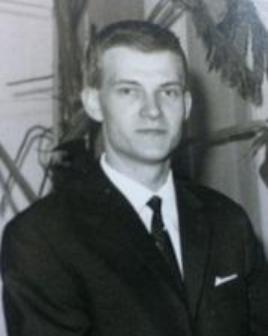
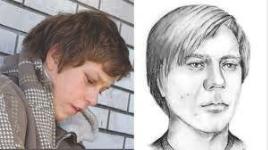
In the autumn of 2010, the life of a family in Ottawa, Ontario, was irrevocably changed. On October 23, 2010, 25-year-old Abdulatif Salman left his family's home in Nepean and vanished. He was on his way to a shift at Walmart, a new volunteer position he had just started. Abdulatif, who lives with schizophrenia, had been showing signs of improvement, and his medication had recently been reduced by his doctor.
He was a bright young man, a high school honor student who had a talent for fixing computers from a young age and had even started computer science classes at Algonquin College. However, he also struggled with depression and paranoia. When he left his home that day, he was wearing a blue and grey plaid fall jacket with a hood over a blue t-shirt, grey jogging pants, and black sandals. He has a birthmark on his left cheek. Worryingly, he left without any money, identification, or his necessary medication.
The days turned into weeks, and the weeks into years, with no sign of Abdulatif. His family was left in a state of perpetual heartache and uncertainty. They have organized events, like a candlelight vigil, to keep his memory in the public eye and to bring awareness to his case and other missing persons. His father has continued to post messages on his son's Facebook page, holding onto the hope that he might see them and return home. The family has described the profound impact of his disappearance, with his sister stating, 'He hasn't left our minds.' His father made an emotional plea, 'Don't think anyone forgets you. Please come back, we love you.' The family has emphasized that they do not believe he vanished intentionally.
The Ottawa Police Service has maintained an open investigation into Abdulatif's disappearance, though they have stated that there is no evidence to suggest foul play. Before he went missing, Abdulatif was known to frequent the Hunt Club transitway station and the Rideau Street area. His family also noted that he was often drawn to places of worship and bodies of water. He had certain characteristic behaviors, such as biting his lower lip, talking to himself, and looking at the palms of his hands. Despite the passage of time, the search for answers continues. His case serves as a poignant reminder of the enduring pain and unresolved questions that families of the missing face every day. The lack of closure has left a permanent void in the lives of his loved ones, who continue to hope for his return.Last Seen: Oct 23, 2010