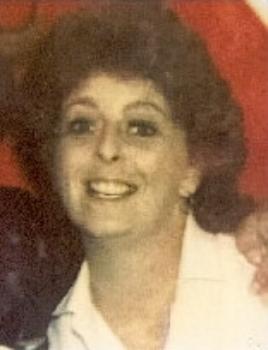
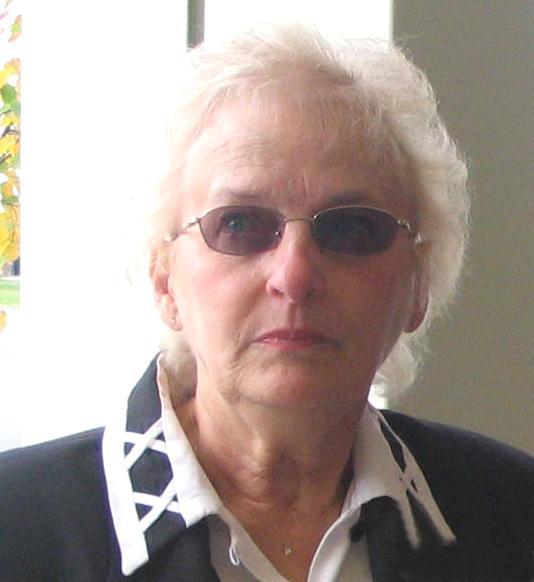
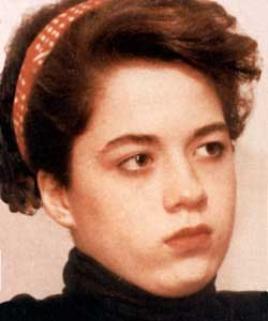
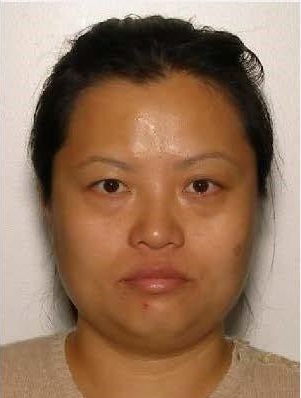
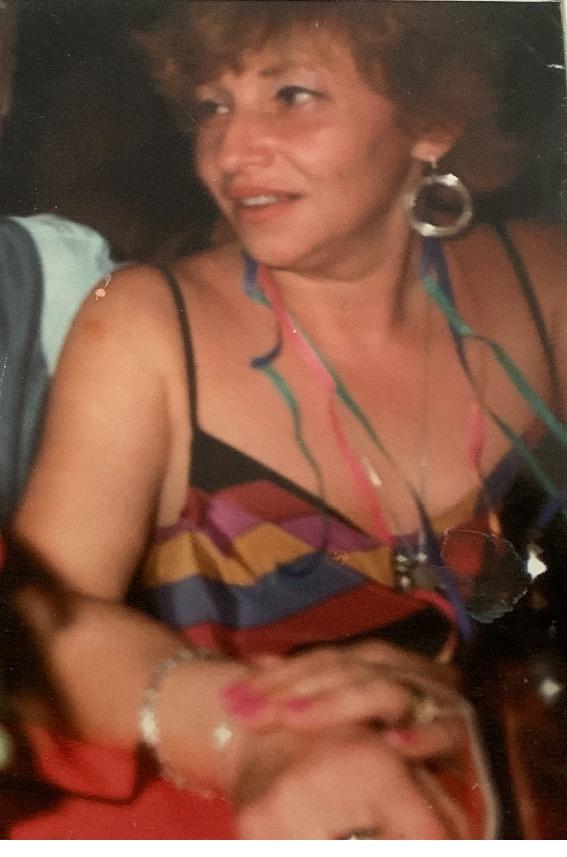
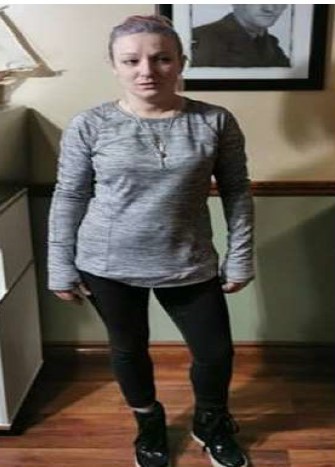
In the winter of 1986, a 33-year-old Indigenous woman named Sarah Skunk visited with her relatives in Mishkeegogamang First Nation and Shabaqua, Ontario. This visit, around January 1st, would be the last time her immediate family ever saw or heard from her. Sarah's life was marked by hardship from a young age. One of eleven children, she was taken from her home community at the age of 12 and sent to a reform school thousands of kilometres away for breaking a window.
Her sisters recall watching her being put into a police cruiser, an event that created a profound and lasting distance. This separation from her family and culture seemed to leave a deep mark on Sarah. When she briefly returned home for Christmas in 1976 as a young woman, her family found her to be quiet and withdrawn, and despite their pleas for her to stay, she left after only five days, never to return to live there again.
The years following Sarah’s 1986 visit were filled with uncertainty and anguish for the Skunk family. Although family members lost contact with her at that time, she was not officially declared missing until 1995. Over the next decade, her family chased down rumours of her whereabouts, with reported sightings in Thunder Bay, Winnipeg, and British Columbia, but they were never able to find her. There was also a reported sighting by a friend in Thunder Bay in 1995, who stated Sarah was planning to travel to the West Coast. The family’s search for answers has been a painful journey. On multiple occasions, police collected DNA from Sarah's mother, Eva, to compare against unidentified remains that had been discovered, but no match was ever made. Her family expressed the profound emotional toll of this process, particularly when waiting for long periods for results or updates from the investigation.
The official record of Sarah Skunk’s disappearance is marked by inconsistencies, which has only added to her family's suffering. While her family recounts last seeing her in the mid-1980s, other records cite a last-seen date of 1995 or a U.S. missing person file being created as late as February 2000, linked to Seattle, Washington. Sarah was known to frequent various cities, including Vancouver, Sudbury, and locations in Washington State, and was known to use several aliases. The pain of her absence was so profound that three of her sisters and her niece testified about her life and disappearance before the National Inquiry into Missing and Murdered Indigenous Women and Girls. They shared the story of a sister lost not only to them but also to her community through forced separation at a young age. The case remains an open wound for her loved ones, a story of painful ambiguity where a daughter, sister, and aunt disappeared, leaving behind decades of unanswered questions and a family that has never stopped searching for her.Last Seen: Jan 1, 1986