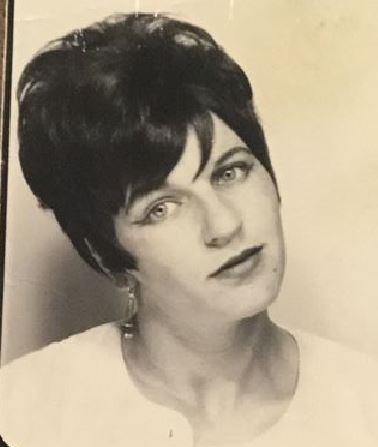
In the winter of 1971, a 19-year-old woman named Selina Violet Wallace disappeared from her home on Quadra Island, British Columbia. A member of the We Wai Kai First Nation, Selina was last seen on the evening of February 7th at a pier in Cape Mudge. Earlier in the day, she had been spending time with her family and friends. Later, she went with a male friend to the pier near her family's home, and that was the last time she was ever seen.
Selina was one of ten children and was described as being very family-oriented. Her life, however, was marked by tragedy and trauma. She and her siblings were sent to St. Michael's, a residential school in Alert Bay, where they endured severe abuse. In 1957, her brother was murdered.
When Selina did not return home on February 8, 1971, her family and the local community grew concerned and began to search the area around the pier and the nearby beach. The tidal currents in the waters off Cape Mudge are known to be extremely strong, raising fears that if she had fallen into the water, she could have been carried a great distance away. The family's efforts to get help from the authorities were met with resistance. When her sister and her partner tried to report her missing, they were told that Selina was old enough to leave home if she wanted to. Another sister, who was living in Quebec at the time, was not notified of Selina's disappearance until a month or two later and faced difficulties in getting assistance to return home to help with the search.
The official search for Selina was eventually called off, with her family feeling they did not receive adequate support from the Band Council, the Band Chief, or the police. Authorities have stated that foul play is not suspected in her disappearance, with the prevailing theory being that she may have accidentally fallen into the water and drowned. However, Selina's sister has expressed that she believes the Royal Canadian Mounted Police should be held accountable for their failure to properly assist the family in the crucial early days of the investigation. The case is a painful example of the struggles Indigenous families have faced in getting attention and resources for their missing loved ones. The lack of an immediate and thorough official investigation has left Selina's family with unanswered questions for decades. The story of her disappearance highlights a systemic failure to protect and seek justice for Indigenous women.Last Seen: Feb 7, 1971