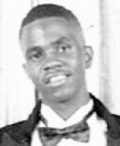
A celebration that should have been filled with joy and cake turned into a scene of violence and irreversible loss on the night of October 13, 2012. For Gregory Alfred Foleey, a 33-year-old Black man, the day marked the beginning of a new year of life. Tragically, it would be his last. On what was his 34th birthday, Gregory was shot and killed in a violent encounter that also wounded three others, leaving a permanent scar on a New Orleans neighborhood and a family with unanswered questions.
The night was a Saturday in the city’s Gentilly area. Shortly before midnight, gunfire erupted in the 1500 block of Lafreniere Street. When the chaos subsided, Gregory Foleey had sustained multiple gunshot wounds. Emergency responders pronounced him dead at the scene. The violence of the attack was not limited to him; three women were also caught in the gunfire and injured. One of the women, who was 25 years old, was shot in the wrist, and another, aged 22, was wounded in the leg. The third woman was pregnant and the trauma of the shooting sent her into premature labor. Miraculously, her baby was born unharmed.
The New Orleans Police Department (NOPD) launched a homicide investigation into the deadly shooting. In the immediate aftermath, police processed the scene on Lafreniere Street, a residential block lined with single-family homes, searching for evidence and seeking witnesses who could shed light on what happened. However, details about a motive or potential suspects were not released to the public. The investigation soon grew cold, and Gregory's murder joined the ranks of the city's many unsolved homicides.
The year 2012 was a particularly violent one for New Orleans, a city that had long struggled with a high homicide rate. Dozens of families that year experienced the same sudden, gut-wrenching loss as Gregory's. Each case represents a unique story of a life cut short and a community left to grapple with the aftermath. For law enforcement, the challenges are immense, with witnesses often hesitant to come forward and evidence trails that can quickly go cold.
Without an arrest, the full story of why Gregory Foleey was killed remains unknown. The public record holds no information about his life—his work, his passions, his family, or the people who loved him. There are no published obituaries or public memorials to paint a picture of the man who was lost. This silence leaves a void, defining him only by the brutal manner of his death. His loved ones are left to carry the heavy burden of not only his absence but also the lack of justice.
More than a decade has passed since Gregory was killed on the very day he should have been celebrating another year of life. The case remains open but inactive, a cold file in the archives of the New Orleans Police Department. For the family and friends who remember him, the wait for answers is a constant and painful reminder of a life taken too soon. The hope for a breakthrough, however distant, persists. Until then, the story of Gregory Foleey is one of a birthday tragically transformed into a day of mourning, his case a somber testament to the enduring pain of unresolved violence.