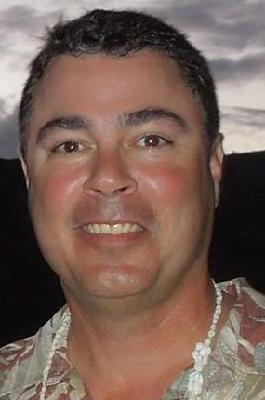
Harry Keith Tiffany, a 32-year-old patrolman with the San Diego Police Department, tragically lost his life on June 6, 1981, in San Diego, California. On that fateful day, Patrolman Tiffany and his partner, Patrolman Ronald Ebeltoft, responded to a dispute between two neighbors over the placement of a rose bush on Crandell Street. The situation escalated when one of the men involved in the dispute assaulted the other.
As the officers stood outside the suspect's home, the man ambushed them, opening fire with a semi-automatic rifle. Both officers were fatally shot in the attack. The suspect was later shot and killed by a SWAT sniper.
The incident led to an immediate and intense investigation. The suspect, whose identity was not widely publicized, was killed at the scene, thus precluding any arrests or further legal proceedings against him. The investigation focused on understanding the circumstances that led to the violent confrontation. It was determined that the suspect had a history of disputes with his neighbors, which culminated in the tragic events of that day.
In the aftermath of the shooting, there were no additional arrests or suspects related to the case, as the primary perpetrator had been neutralized. The San Diego Police Department and the community mourned the loss of Patrolman Tiffany and his partner. Both officers were honored for their bravery and service. Patrolman Tiffany, a U.S. Navy veteran, had served with the San Diego Police Department for two years and was previously with the Port of San Diego Harbor Police. He was survived by his wife.
The case did not lead to any significant litigations or law cases, as the immediate resolution of the suspect's death by the SWAT team concluded the criminal aspect of the incident. However, the event highlighted the dangers faced by law enforcement officers and led to discussions on improving safety protocols for officers responding to domestic disputes and other potentially volatile situations.