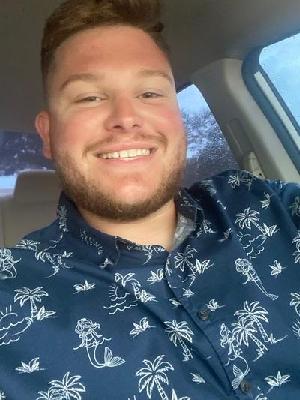
Christard Hicks, a 19-year-old African American male from Fort Pierce, Florida, tragically lost his life on April 20, 2018, in a shooting incident in Vero Beach. Hicks, known affectionately as "Dat Way" by his family and friends, was an aspiring athlete with dreams of playing Major League Baseball. He had participated in youth tournaments, including those at the Jackie Robinson Training Complex in Vero Beach.
On the afternoon of his death, Hicks was standing outside a home in the 4400
block of 25th Avenue in Gifford with a group of friends when he was struck by gunfire. The incident occurred after a verbal altercation between Jamal Riggins, a former Sebastian River High School football standout, and Quinten Jones, one of Hicks' friends. The argument, which took place about 30 minutes before the shooting, escalated when Riggins approached the vehicle Hicks and his friends were in, leading to a confrontation.
During the trial, it was revealed that a white car had followed Hicks and his friends to a friend's home on 25th Avenue. Witnesses testified that Riggins, who was in the front seat of a black Chrysler, sprayed bullets from an assault rifle, striking Hicks. Despite being rushed to Cleveland Clinic Indian River Hospital, Hicks succumbed to his injuries, which included wounds to his stomach, liver, heart, and lung.
Jamal Riggins was indicted by a grand jury three months after the shooting on charges including first-degree murder with a firearm, attempted first-degree murder, four counts of attempted second-degree murder, and possession of a firearm by a prohibited person. The trial, which took place five years after the incident, saw emotional testimonies from Hicks' family and friends. Despite the prosecution's efforts, the jury found Riggins not guilty of all charges related to the shooting. The defense argued that there was no forensic or physical evidence, such as fingerprints or DNA, to place Riggins at the crime scene or in the car used during the gunfire. Additionally, the firearm used in the shooting was never found, and there was crossfire from another individual, complicating the case further.
The acquittal of Riggins left Hicks' family devastated, as they had sought justice for the young athlete who had a promising future ahead of him. The case highlighted the challenges in securing convictions in complex shooting incidents where multiple factors and individuals are involved.