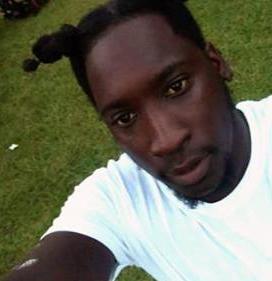
Saderris Tarver, a 22-year-old from Orlando, Florida, tragically lost his life on August 23, 2015, in a shooting incident at Jesse Black's Saloon in Leesburg, Florida. The fatal event occurred during the early hours of the morning, following an argument inside the saloon that escalated into a gunfight in the parking lot. Tarver was struck by gunfire and succumbed to his injuries shortly after being transported to Leesburg Regional Medical Center.
The investigation into Tarver's death
revealed that the shooting was a result of a confrontation involving multiple individuals. Authorities identified three suspects: Shelton Rucker, Antwain Hart, and Darius Alexander. The altercation began inside the saloon and continued outside, where shots were exchanged between the suspects and Tarver. Rucker, Hart, and Alexander were subsequently arrested and faced various charges related to the incident.
Shelton Rucker was charged with second-degree murder, possession of a firearm by a convicted felon, and discharging a firearm in public. Antwain Hart and Darius Alexander were also taken into custody and faced charges connected to the shooting. The case against the suspects involved detailed investigations, including witness testimonies and security camera footage from the saloon.
In a significant development, Darius Alexander was found not guilty of aggravated assault with a deadly weapon in connection with the shooting. The jury's decision was influenced by conflicting evidence and the lack of shell casings near Alexander's location during the incident. Additionally, it was determined that Tarver was shot from behind with .45-caliber bullets, which were used by his own group, including his brother, Shelton Rucker. This revelation added complexity to the case, as it suggested that Tarver may have been inadvertently shot by someone from his own group.
The legal proceedings surrounding the case highlighted the challenges in establishing clear accountability for the tragic event. While Rucker faced third-degree murder charges, his defense team requested a mental competency examination before proceeding to trial. The case underscored the difficulties in navigating the legal system and the impact of conflicting evidence on the outcomes of such investigations.