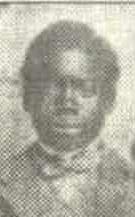
Mingo Williams, a 49-year-old black turpentine worker, was tragically killed on January 4, 1923, during the Rosewood Massacre in Rosewood, Florida. Known by the nickname "Lord God," Williams was shot through the jaw or head, and his body was found on the road near Bronson, approximately twenty miles from Rosewood. His death occurred amidst a violent racial conflict that erupted in Rosewood following an accusation by a white woman, Fannie Taylor, who claimed she was attacked by a black man.
This accusation led to a series of violent reprisals by white mobs against the black residents of Rosewood.
The Rosewood Massacre was marked by extreme violence and destruction. White vigilantes, fueled by racial hatred and the false accusation, attacked the black community, burning homes and churches, and killing several black residents, including Mingo Williams. The violence forced many black residents to flee into the swamps to escape the mob. The official death toll of the massacre is contested, but it is known that several black individuals, including Williams, were killed during the attacks.
In the aftermath of the massacre, there were no immediate arrests or prosecutions of the perpetrators. The local law enforcement, including Sheriff Robert "Bob" Elisha Walker, was notified of the violence, but there was little intervention to stop the mob. Governor Cary Hardee was also informed, but the response was inadequate to prevent further violence. The lack of legal action and accountability for the murders and destruction in Rosewood reflected the deep-seated racial injustices of the time.
Decades later, the Rosewood Massacre gained renewed attention, leading to investigations and efforts to seek justice for the victims and their descendants. In 1994, the Florida Legislature passed a bill to compensate the survivors and their families, acknowledging the state's failure to protect its citizens and the long-lasting impact of the massacre. This landmark decision was a significant step towards addressing the historical wrongs and providing some measure of justice for those affected by the tragic events in Rosewood.