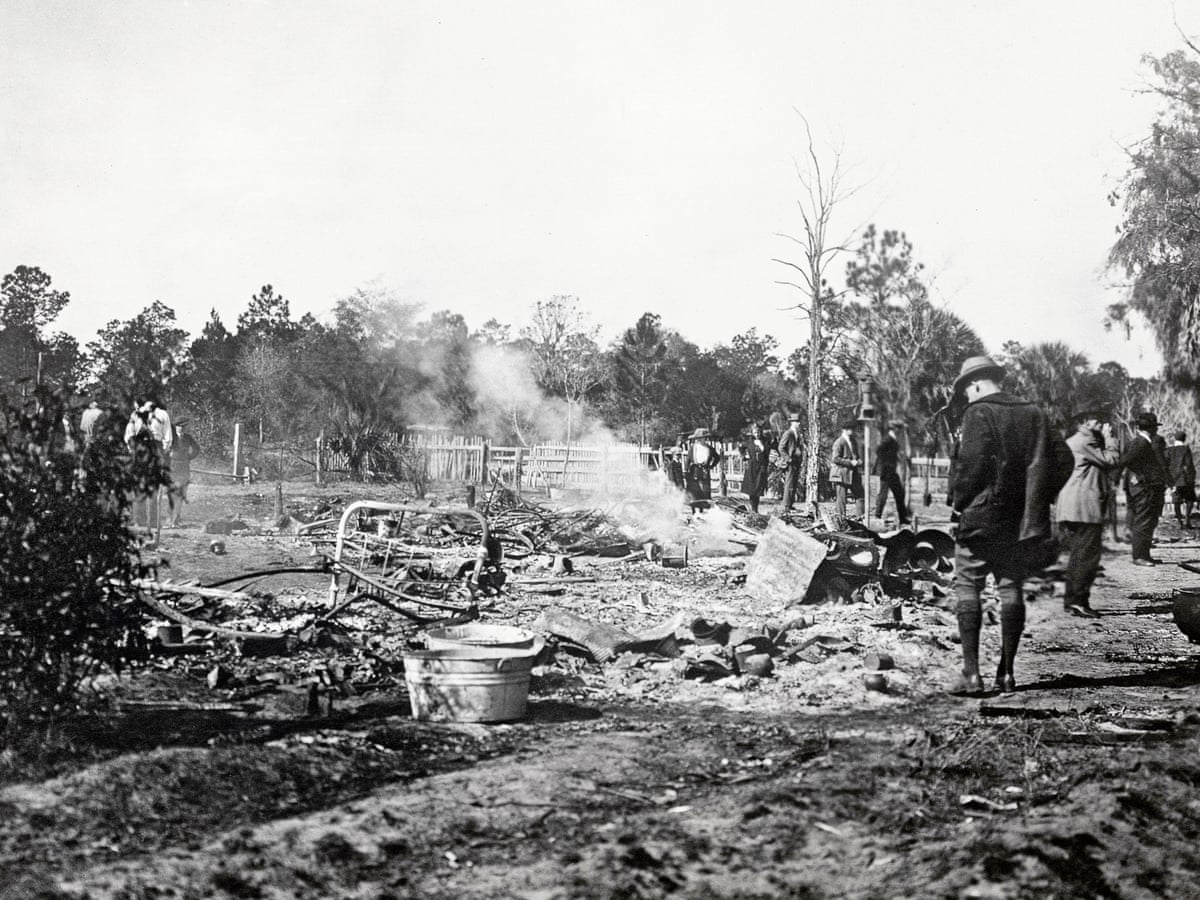
Sam Carter, a 44-year-old blacksmith from Rosewood, Florida, met a tragic end on January 2, 1923, during the infamous Rosewood Massacre. This event was a racially motivated attack on the predominantly African American town of Rosewood by large groups of white aggressors. The violence erupted after a white woman, Fannie Taylor, from the nearby town of Sumner, claimed she had been assaulted by a Black man.
This accusation, though later believed to be a cover for an extramarital affair, incited a mob of white men, including members of the Ku Klux Klan, to seek vengeance against the Black community of Rosewood.
Sam Carter was one of the first victims of this mob violence. The mob, in their search for an escaped Black prisoner named Jesse Hunter, suspected Carter of aiding Hunter's escape. They kidnapped Carter, tortured him to extract a confession, and when he failed to produce Hunter, they shot him. His body was then hung from a tree as a grim warning to others. This brutal act was part of a larger pattern of violence that saw the town of Rosewood destroyed and its residents either killed or forced to flee.
The aftermath of Sam Carter's murder and the Rosewood Massacre saw no immediate arrests or legal actions against the perpetrators. The white mobs responsible for the violence faced no legal repercussions at the time, and the incident was largely forgotten until the 1980s when it was brought back into public consciousness. Survivors and their descendants later sought justice and recognition for the atrocities committed. In 1993, the Florida Legislature commissioned a report on the incident, which led to the state compensating the survivors and their descendants for the damages they had suffered due to the racial violence.
The Rosewood Massacre, including the murder of Sam Carter, remains a stark reminder of the racial tensions and injustices that plagued the United States in the early 20th century. The lack of immediate legal action and the subsequent efforts to seek justice decades later highlight the long-lasting impact of such violent events on communities and the importance of historical recognition and reparations.