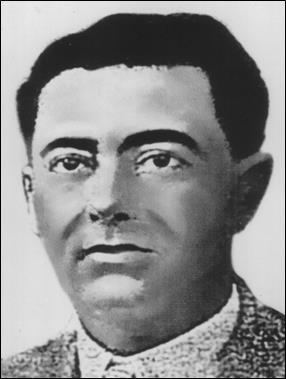
Moses Dykes, a 32-year-old African American male, tragically lost his life on January 9, 1915, in Panama City, Florida. Constable Dykes was performing his duties as a law enforcement officer when he was fatally shot. The incident occurred while he was arresting a man for violating state oyster laws. The suspect had been illegally harvesting oysters on leased oyster beds. During the arrest, the suspect, who had been allowed to go ashore, retrieved a hidden shotgun and shot Constable Dykes.
Despite the efforts of a deputy from the Florida Shellfish Commission, who returned fire, the suspect managed to flee the scene.
Constable Dykes succumbed to his injuries at approximately 2:00 am the following morning. The suspect was later apprehended and charged with murder. However, during the trial, the local fishing community's influence led to the suspect's acquittal. This outcome was a significant blow to the Dykes family and the local law enforcement community. Constable Dykes was survived by his wife, several children, his father, and his brother, who served as a justice of the peace for Bay County.
The case of Moses Dykes highlights the challenges faced by law enforcement officers in the early 20th century, particularly in rural areas where local communities could significantly influence legal outcomes. Despite the clear evidence of the suspect's guilt, the acquittal underscored the complexities of the legal system and the societal dynamics of the time. The tragic death of Constable Dykes remains a poignant reminder of the risks faced by those who serve and protect their communities.