Crime Solvers Central
302 Cases Solved. Advancing justice for missing persons, unsolved homicides, unidentified and unclaimed remains.

Case Description

Any updates on this case? Let us know!
Summary based on 2 sources
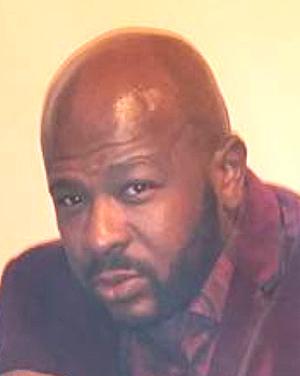
Timmy Omar Williams was a young man of 24 whose life was abruptly and violently cut short in his hometown of Chester, Pennsylvania. On Saturday, May 24, 2003, Timmy was shot and killed, becoming another victim of the gun violence that has afflicted the city. Though details about his personal life, work, and passions are not widely known, an obituary for a Delaware woman named Patricia Ann "Patty" Gregg, who passed away in 2019, lists a "Timmy Williams" as one of her predeceased sons. If this was the same Timmy, he was part of a large, loving family that would mourn him for the rest of their lives.

The shooting occurred on a spring evening in Chester, a city with a long and complex history just southwest of Philadelphia. The specific circumstances that led to the fatal encounter, including the exact time and location of the shooting, were not extensively reported in publicly available records. What is clear is that the event was not a random act of violence that went unanswered. When police and emergency medical personnel arrived at the scene, they found Timmy gravely wounded. Despite any efforts to save him, he succumbed to his injuries that day. The cause of death was officially ruled a homicide by gunshot wound.

The investigation into Timmy Williams's murder was handled by the Chester Police Department, whose detectives were tasked with piecing together the events of that night. In a city where witnesses can sometimes be reluctant to come forward, investigators worked diligently to gather evidence and seek out information from the community. The "code of the streets" can often present a significant barrier to solving homicides, but the persistence of law enforcement in this case eventually broke through the silence. Their efforts paid off, leading them to identify a primary suspect in Timmy's death.

The investigation culminated in the arrest of a man named Andre Major. He was charged in connection with the killing of Timmy Williams, and the case proceeded through the Delaware County judicial system. Prosecutors built their case, and Major stood trial for the murder. Despite the challenges often faced in such prosecutions, the evidence and testimony presented in court were compelling enough to convince a jury of his guilt. The trial concluded with a guilty verdict, ensuring that the man responsible for Timmy's death would be held accountable for his actions.

Following the conviction, Andre Major was sentenced for the murder, bringing a formal, legal conclusion to the case. For the family and friends of Timmy Williams, the verdict could never undo the profound pain of their loss, but it offered a measure of justice and closed a chapter of uncertainty. The successful prosecution meant that Timmy's life was not just another statistic; his death was answered, and the person who took his future away was brought to justice.

As of the court's decision, the homicide of Timmy Omar Williams is considered solved and closed. The conviction of his killer marked the end of a painful journey for his loved ones through the criminal justice system. While memorials and public vigils for Timmy have not been documented in the years since, his memory is preserved by the family who lost him and by the record that shows his case did not go unsolved. The outcome stands as a testament to the police and prosecutors who ensured that even in the face of silence, a voice for justice could be heard.