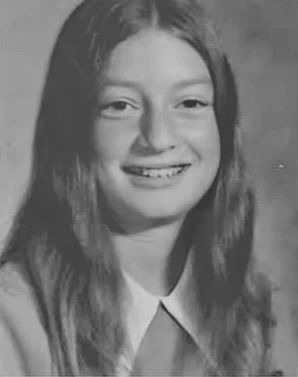
In the early summer of 1975 in Hollywood, Florida, two inseparable best friends, Barbara Susan Schreiber and Belinda Darlene Zetterower, were celebrating the end of their eighth-grade year. At fourteen years old, the girls were full of life and looking forward to starting high school together. On the evening of June 18, 1975, they were sitting on a bench on a busy street when a white van approached them. The two men inside offered them a ride, and the girls, accustomed to hitchhiking, accepted.
It was the last time they were seen alive. Their families' sense of normalcy was shattered when the girls did not return home, sparking a frantic search and a mystery that would haunt the community for decades.
The following morning, a fisherman and his family made a grim discovery on the outskirts of the Everglades in an area known as Andytown. Lying side-by-side along a canal were the bodies of Barbara and Belinda. They were fully clothed and had been shot to death. The senseless and brutal nature of the crime shocked investigators, but with few leads, the case quickly went cold. For years, the double homicide was considered part of the notorious "Flat-Tire murders," a string of unsolved killings of women and girls that terrorized South Florida during that era. The families were left with agonizing questions and no sense of justice as the years turned into decades without any arrests.
Nearly half a century later, a breakthrough finally came. Advances in forensic technology allowed the Broward Sheriff's Office Cold Case Homicide Unit to re-examine evidence from the crime scene. In August 2023, detectives developed a DNA profile from the victims' clothing, which led them to a known felon named Robert Clark Keebler. Keebler had a long and violent criminal history, including armed robbery and sexual assault, but had died in 2019. Investigators believed he had an accomplice. Further investigation and DNA analysis conclusively identified the second suspect in May 2025 as Lawrence Stein, another felon with a violent past who had died in 2005. With both suspects deceased, no arrests or trials were possible. However, the State Attorney's Office agreed that both men would have been prosecuted had they been alive. The case was declared "exceptionally cleared," finally providing long-awaited answers to the girls' families. The resolution of this nearly 50-year-old case brought a measure of closure, demonstrating the relentless pursuit of justice and ensuring that Barbara and Belinda were never forgotten, though their killers would never face a court of law for their actions.