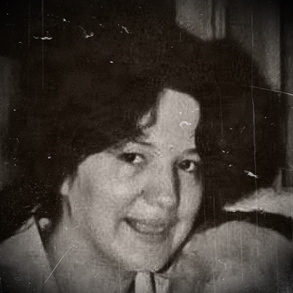
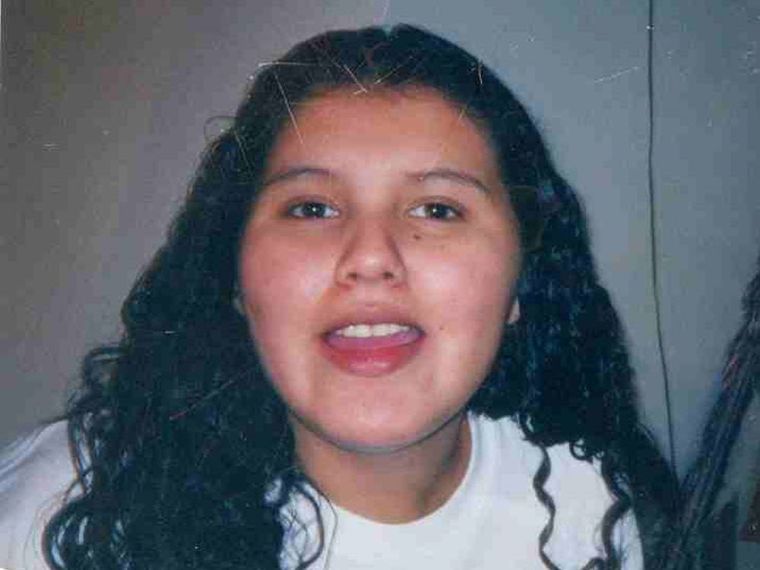
Janine René Wesaquate-Oakes was a 20-year-old Indigenous woman living in Regina, Saskatchewan, whose life ended in a deliberately set house fire on December 8, 2004. She was a young mother with a two-year-old son, Landen, and was working toward a future in health care. Family members later described her as focused on her education, taking classes connected with home care and hoping eventually to become a nurse.
Relatives said she did not drink or use drugs and remembered her as someone who was excited about school and the life she hoped to build for herself and her child.
During her final evening, Janine had been shopping with her mother at Regina's Cornwall Centre. She was buying items she needed for class the following day. The two walked to a bus stop afterward on a cold night, and Janine made a telephone call while they waited. When the bus arrived, her mother boarded while Janine remained behind speaking with someone on the phone, believing her daughter would catch another bus and return home shortly afterward.
Janine never came home. Her absence quickly became alarming because her family said it was unlike her to disappear without calling, particularly with her young son waiting at home. By the following day, her family still had heard nothing from her. That evening, news coverage showed firefighters and emergency personnel responding to a burning house in Regina. Janine's mother became convinced that her daughter was connected to the fire and went to the scene, where police, firefighters and an ambulance were already present.
Inside the burned residence, investigators discovered human remains. The damage was so severe that Janine could not be identified visually. Her identity was ultimately confirmed through dental records. Investigators came to believe that the fire had been intentionally set rather than resulting from an accident. Approximately seven months later, authorities formally classified Janine's death as a homicide.
The location of the fire added another troubling dimension to the investigation. The North Central Regina house reportedly was the same residence from which Wayne Gerald Friday had been abducted only weeks earlier. Friday had been kidnapped following a dispute, severely beaten, shot and left on the Muscowpetung First Nation. Evidence presented in proceedings concerning Friday's killing connected people involved in that crime with the Native Syndicate street gang. A man named Quinton Lloyd Bitternose was ultimately convicted of first-degree murder in Friday's death.
Because Janine died when that same house was deliberately burned a short time later, her killing has sometimes been discussed in connection with Regina street-gang activity and the Native Syndicate. However, the publicly available information does not establish that Bitternose or any other person convicted in Friday's murder was responsible for Janine's death. The possible gang connection has remained a theory rather than a proven conclusion, and authorities have not publicly identified a specific individual as Janine's killer.
Her family repeatedly sought information from police in the years that followed. They were initially cautious about speaking publicly because investigators had asked them not to disclose information that might interfere with the case. Janine's parents later said they continued hoping police would eventually arrive with news that someone had been charged. Her mother described repeatedly contacting investigators and being told that the homicide remained under investigation, while the family struggled with having so little information about what had happened after Janine was last seen at the bus stop.
Years later, members of the family spoke publicly during the National Inquiry into Missing and Murdered Indigenous Women and Girls. They described the lasting impact of Janine's killing, particularly on her son, who grew up without his mother, and emphasized that they still did not know who killed her or why. Her relatives continued appealing to anyone with information to come forward.
No arrest, criminal charge, trial or conviction has been publicly reported in connection with Janine's homicide. Despite the determination that the fire was deliberately set, the circumstances that brought her to the house, the identity of the person or people responsible for setting the fire, and the motive for killing her have never been publicly resolved. More than two decades after her death, Janine René Wesaquate-Oakes's murder remains unsolved.