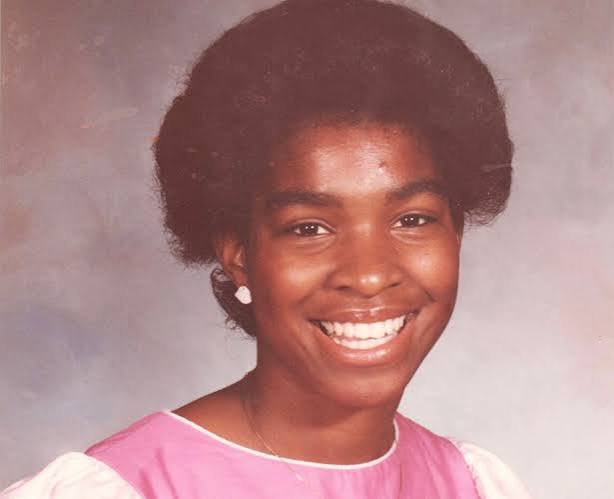
In the summer of 1911, a palpable sense of fear gripped the Black communities of Atlanta, Georgia. A brutal and elusive killer, known to the press as the "Atlanta Ripper" or the "Black Butcher," was stalking the city's streets, preying on young African American women. For months, a string of unsolved, savage murders had left residents terrified and the police seemingly helpless. It was in the midst of this reign of terror that 20-year-old Mary Ann Duncan, a young Black woman, became one of the killer's many victims.
On Thursday, August 31, 1911, more than six weeks after the previous murder attributed to the Ripper, Mary Ann's body was discovered. She was found in a desolate area west of Atlanta known as Blantown, her body left lying between a tangle of railroad tracks. The scene was horrifically familiar to investigators and the public, bearing all the gruesome hallmarks of the serial killer. Mary Ann’s throat had been cut from ear to ear in a savage attack.
Adding to the grim signature of the crime, her shoes had been removed and were missing from the scene.
The murder of Mary Ann Duncan was one of at least 15, and possibly more than 20, slayings that terrorized Atlanta between 1911 and 1912. The victims were consistently young, Black or dark-skinned women, many of them employed as cooks or laundresses, who were attacked as they walked alone at night. The killer’s methods were vicious and varied, including strangulation, bludgeoning, stabbing, and throat slashing, often with post-mortem mutilation. The crimes instilled a deep-seated terror, causing many women to fear walking the streets after dark and prompting Black churches to offer rewards for the killer's capture.
The investigation into Mary Ann's death, like the others, was hampered by the racial prejudices of the era. News coverage at the time was often minimal and dismissive, and the official response lacked the urgency that would have been afforded to white victims. Despite the clear pattern of the killings, some authorities were slow to admit that a single serial murderer was at work. Several men were arrested over the course of the crime spree, but no one was ever definitively identified or convicted as the Atlanta Ripper. The murder of Mary Ann Duncan occurred while several other suspects were already under investigation for previous killings, a fact that seemed to confirm for the public and the press that the true killer was still at large.
The identity of the person responsible for these horrific crimes remains one of Atlanta's most enduring and chilling mysteries. The case of the Atlanta Ripper grew cold, and the stories of the individual victims, including Mary Ann Duncan, faded from public memory, largely lost to a history that paid little attention to their lives.
Today, the case remains unsolved. There are no active suspects, and the trail of the killer has been cold for over a century. The murder of Mary Ann Duncan is a stark reminder of a time of terror and injustice. Her life was cut short by a brutal predator, and her story, like those of the other victims, is a tragic chapter in the city's history, representing a series of crimes that were never answered for and a community that was left to mourn its stolen daughters without closure or justice.