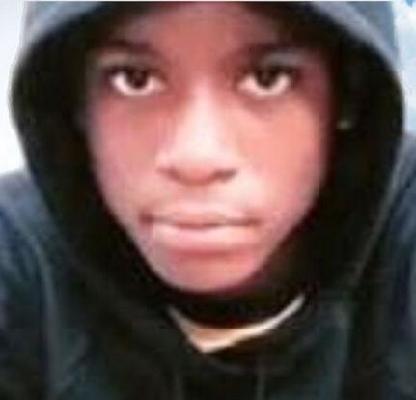
On February 27, 2012, Nyere Jordan, a 24-year-old male, was shot and killed in Philadelphia. Jordan's death was linked to a complex series of events involving drug-related activity and disputes that eventually led to his fatal shooting. According to court records, Jordan's murder was the catalyst for a revenge plot that involved multiple individuals seeking retribution for his death.
The circumstances of the homicide suggest that Jordan was involved in a network of criminal activities that ultimately put him at risk. The shooting occurred in an area associated with such disputes, and it was reported that there was a significant delay in solving the case due to a lack of direct evidence and cooperation from witnesses. As a result, the investigation remained ongoing for some time before arrests were made in connection with the incident.
In the wake of Jordan's death, multiple people were implicated, leading to a trial where accusations of third-degree murder and criminal conspiracy emerged. The legal proceedings highlighted the involvement of accomplices and the use of circumstantial evidence to tie individuals to the crime. Eventually, one of the suspects was sentenced after being found guilty of third-degree murder, demonstrating the complications inherent in prosecuting cases involving organized criminal behavior and revenge killings. The details of the trial also indicated challenges in establishing accomplice liability, as the defense argued against the sufficiency of the evidence provided by the prosecution.
Jordan's death adds to the troubling statistics of homicides in Philadelphia, where young individuals, especially those involved in high-risk lifestyles, face significant threats. The city has seen a history of unresolved murders that add to the challenges faced by law enforcement and the community in addressing violent crime and ensuring justice for victims and their families.