David Bullock: The .38 Caliber Killer
Overview
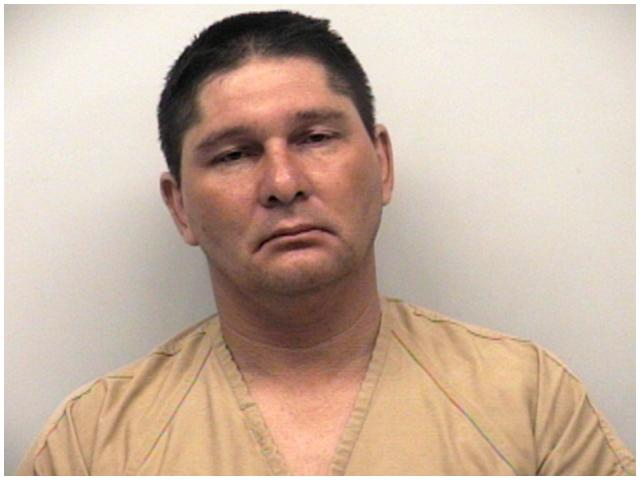
Over five weeks during the winter of 1981-1982, a 21-year-old man named David Bullock terrorized New York City, killing six people in a series of brazen, seemingly random attacks. Armed primarily with a .38 caliber revolver, which earned him his moniker, Bullock shot his victims with chilling indifference. His targets were diverse, ranging from a man he encountered in Central Park to his own roommate. When captured, Bullock confessed freely, expressing a shocking motive: he killed for pleasure. His crimes, though brutal, were quickly overshadowed by other events of the era and did not receive the same level of national attention as some of his contemporaries, but for the families of his victims and the city he held in fear, his brief and bloody rampage left a lasting scar.
Early Life and Background
David Bullock was born in New York City on November 13, 1960. His childhood was reportedly difficult; his parents were alcoholics, and he was primarily raised by his grandfather. His troubles with the law began in his teenage years. In February 1977, at age 16, he was arrested for criminal mischief and larceny in Monroe, New York. A few months later, he pleaded guilty to attempted grand larceny in Manhattan and was sent to a juvenile facility.
After his release, his criminal activity continued. A burglary arrest in January 1978 led to him being adjudicated as a youthful offender. Between 1978 and 1981, Bullock was arrested and prosecuted multiple times on charges of burglary, robbery, and grand larceny. After being expelled from school following an arrest, he moved to Manhattan. With no stable job, he drifted into the world of male prostitution to support himself, a life that would intersect with his future violence.
The Murders
The string of murders began on December 4, 1981. Bullock’s first victim was James Weber, a 42-year-old teacher and actor, whom he encountered in Central Park. Bullock claimed he had gone to the park to shoot birds but decided to shoot Weber instead. He shot him with a .38 caliber revolver and stole his money and identification, which initially delayed the identification of the body.
Nine days later, on December 13, Bullock killed 23-year-old Edwina Atkins, a prostitute he considered a friend. He told police that he confessed the murder of James Weber to her, and she laughed in his face, not believing him. Later, after they had sex, Bullock covered her face with a pillow, shot her in the head, and set her apartment on fire to destroy evidence.
On December 15, the violence continued. Stephen Glenn Hassell, a 29-year-old investment consultant, invited Bullock to his upscale Manhattan apartment. In a method similar to the murder of Atkins, Bullock covered Hassell's face with a pillow before shooting him. He managed to leave the scene without leaving any clues for investigators.
The fourth murder occurred on December 22. The victim was Heriberto Morales, a 50-year-old man Bullock had known for a couple of years. After attending a Christmas party together, they went to Morales's apartment. According to Bullock's confession, Morales began talking about how nice his Christmas tree was. Annoyed, Bullock shot him, stole jewelry and other valuables, and set the apartment on fire.
Just a day later, on December 23, Bullock killed his roommate, Michael Winley. He confessed to shooting Winley in the head and then dumping his body in the Harlem River. Despite searches, Winley's body was never recovered, and the murder charge was based solely on Bullock's detailed confession.
The final known murder took place on January 4, 1982. Eric Michael Fuller, a 28-year-old security guard, was in Mount Morris Park when he was confronted by Bullock, who was armed with a sawed-off shotgun. Bullock shot and killed Fuller during a robbery. This was the only murder in the series not committed with the .38 caliber revolver.
The Victims
David Bullock's victims came from different walks of life, their only connection being the tragic misfortune of crossing his path.
- James Weber, 42 — December 4, 1981, in Central Park. A junior high music teacher and a talented actor with the Light Opera of Manhattan, he was found just hours after giving a performance in "Babes in Toyland."
- Edwina Atkins, 23 — December 13, 1981, in her apartment. A young woman described as a friend of Bullock's, her life was cut short because she disbelieved his confession to a previous murder. She was buried on Hart Island.
- Stephen Glenn Hassell, 29 — December 15, 1981, in his Manhattan apartment. An investment consultant, he was killed in his own home after inviting Bullock over.
- Heriberto Morales, 50 — December 22, 1981, in his Washington Heights apartment. An acquaintance of Bullock, he was killed in what Bullock described as a moment of irritation over a Christmas tree.
- Michael Winley, age unknown — December 23, 1981, in their shared apartment. Bullock's roommate, his life was ended by the man he lived with. His body was never found, leaving his loved ones with no closure.
- Eric Michael Fuller, 28 — January 4, 1982, in Mount Morris Park. A security guard, he was killed during a robbery, becoming the final victim of Bullock's deadly spree.
Investigation and Capture
For weeks, the New York City Police Department was unaware that a serial killer was active. The murders were disparate in location and victimology, making connections difficult. However, the investigation into the disappearance of Michael Winley would ultimately unravel the entire case.
On January 14, 1982, detectives brought David Bullock in for questioning as a witness in his roommate's disappearance. During a search of the basement of the apartment building where they lived, police discovered a .38 caliber revolver and a sawed-off shotgun. Within hours of being detained, Bullock began to talk.
He calmly confessed to not one, but six murders, providing detectives with details of each crime. Ballistics experts were able to match the .38 caliber revolver found in his possession to the bullets recovered from the scenes of the first four murders. His confession provided the only evidence for the murder of Michael Winley. Bullock also claimed to have shot at four other people during his spree but was unsure if he had hit them. Without bodies or complaints, no further charges were filed.
Trial and Sentence
David Bullock's trial began in the fall of 1982. He was sent for psychiatric evaluation, where he was found to have no significant mental illness, though psychiatrists noted an impaired emotional state.
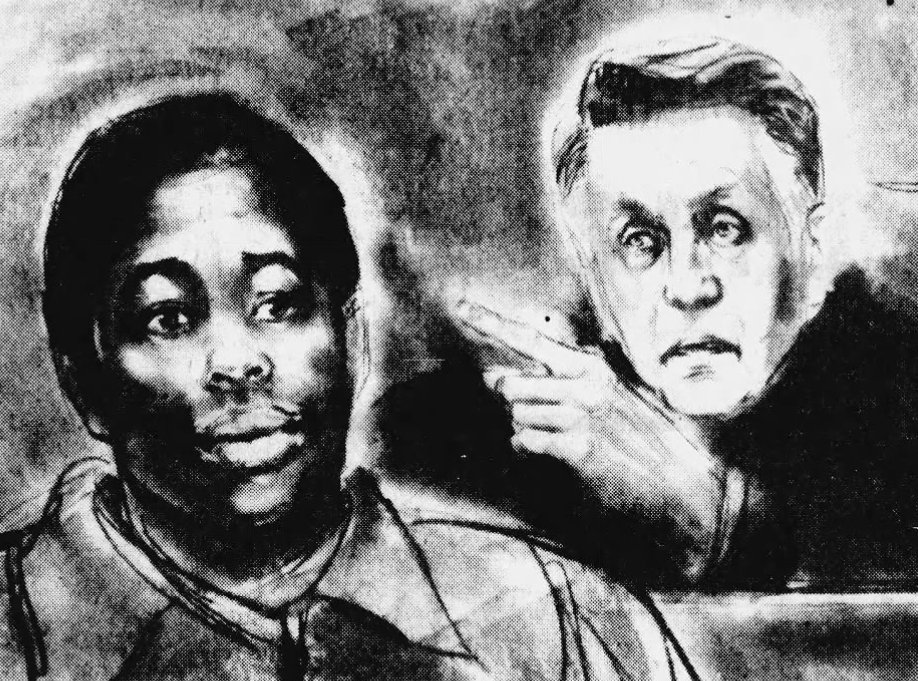
In court, Bullock's demeanor was shockingly cavalier. He appeared to be in a positive mood, smiling and smirking as he described his crimes in cynical and sarcastic detail, showing no remorse. On October 26, 1982, he pleaded guilty to six counts of second-degree murder. When asked by the judge for his motive, he gave a chillingly simple answer: "It's fun." He elaborated, "I was in the Christmas spirit. It made me happy. I enjoy what I do."
On October 29, 1982, Justice Burton B. Roberts of the State Supreme Court in the Bronx sentenced Bullock to six consecutive terms of 25 years to life, for a total of 150 years to life in prison. The judge told Bullock the sentence was intended to "guarantee you never get out of jail as long as you shall live." At the time, it was one of the longest sentences ever handed down in New York State history.
Aftermath and Legacy
David Bullock was sent to the Clinton Correctional Facility in Dannemora, New York, a maximum-security prison, to serve his sentence. His Department Identification Number is 82A5787. He has remained incarcerated there, fading from the public eye.
The case of the ".38 Caliber Killer" was a brief but terrifying chapter in New York City's history, coming just a few years after the city had been gripped by the fear of David Berkowitz, the "Son of Sam." Bullock's crimes were marked by their senselessness and the apparent joy he took in the act of killing. His confession laid bare a motive of pure hedonism, a desire for amusement that cost six people their lives and left their families to grieve their sudden and violent loss.