Brian Dugan: The Illinois Sex-Slay Killer
Overview
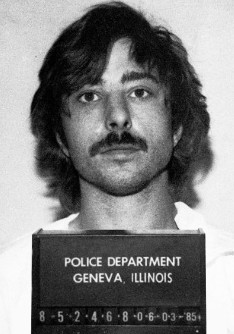
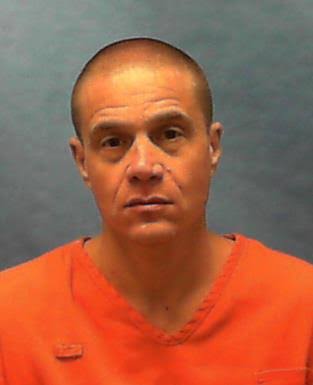
Brian James Dugan is a convicted American serial killer and rapist who terrorized the western suburbs of Chicago between 1983 and 1985. He was convicted of the murders of three females: 10-year-old Jeanine Nicarico, 27-year-old Donna Schnorr, and 7-year-old Melissa Ackerman. His crimes were marked by their brutality, involving abduction, sexual assault, and murder. The case gained national notoriety not only for the heinous nature of the killings but also for one of the most profound miscarriages of justice in American history, where two innocent men, Rolando Cruz and Alejandro Hernandez, were wrongly convicted and sentenced to death for the Nicarico murder. Dugan, already serving two life sentences for the other murders, eventually confessed to killing Jeanine Nicarico. Years later, DNA evidence would prove his culpability, leading to his own death sentence in 2009, which was later commuted to life in prison when Illinois abolished capital punishment.
Early Life and Criminal History
Brian Dugan was born on September 23, 1956, in Nashua, New Hampshire, the second of five children. His family life was troubled; both of his parents were alcoholics. The family moved to Lisle, Illinois, in 1967. Relatives later reported that Dugan's birth had been traumatic, speculating it may have caused brain damage that contributed to severe headaches he suffered as a youth.
From a young age, Dugan displayed classic warning signs of a future predator. He was a chronic bedwetter, a trait his father also had. At age eight, he and a brother burned down the family garage. At 13, he reportedly doused a cat with gasoline and set it on fire. His formal criminal record began in 1972 with an arrest for burglary. As a teenager, he dropped out of high school and cycled through youth homes and jails for offenses including arson, battery, and burglary. In 1974, at age 17, he attempted to abduct a 10-year-old girl near a train station in Lisle, but the charges were dropped on a technicality. His behavior also included threatening his sister and her son. Dugan's younger brother later alleged that Brian had attempted to molest him in 1972 and that Brian himself had complained of being sexually abused while incarcerated.
The Murder of Jeanine Nicarico
On February 25, 1983, 10-year-old Jeanine Nicarico was home sick from school in Naperville, Illinois. Dugan broke into the family home, abducted her, and drove her away. He raped and bludgeoned her to death with a tire iron, leaving her body along the Illinois Prairie Path, where it was discovered days later.
The investigation into Jeanine's murder became a national scandal. With no initial leads, police focused on Rolando Cruz and Alejandro Hernandez based on flimsy evidence and false statements. Despite a lack of physical evidence connecting them to the crime, both men were convicted in 1985 and sentenced to death. A third man, Stephen Buckley, was tried but his jury was deadlocked, and charges were eventually dropped. Cruz and Hernandez spent years on death row, enduring multiple trials and appeals.
The Murder of Donna Schnorr
On July 15, 1984, Donna Schnorr, a 27-year-old nurse, was driving in Geneva, Illinois. Dugan spotted her in her car at a stoplight, followed her, and then ran her car off the road. He dragged her from her vehicle, beat her, and raped her. He then murdered her by drowning her in a nearby quarry. Her case, for a time, remained a horrifying but unsolved crime.
The Murder of Melissa Ackerman and Capture
In the spring of 1985, Dugan's predatory attacks escalated. On May 6, he abducted and raped a 21-year-old woman in North Aurora; she survived. On May 28, he attempted to abduct a 19-year-old woman in Aurora, but she escaped. The next day, he successfully abducted and raped a 16-year-old girl.
On June 2, 1985, 7-year-old Melissa Ackerman and her 8-year-old friend were riding their bikes in Somonauk, Illinois. Dugan confronted them and managed to get Melissa into his car. Her friend escaped and was able to provide a description of the vehicle. A police officer recognized the car from an unrelated traffic stop he had made earlier. This crucial lead put a multi-agency task force on Dugan's trail. He was arrested the next day, June 3, 1985, while on his way to work. Melissa Ackerman’s body was found weeks later in a creek; she had been raped and drowned.
Investigation and Confession
Following his arrest for the Ackerman murder, Dugan sought to avoid the death penalty. In November 1985, through his attorney, he made a shocking offer: he would confess to the murders of Melissa Ackerman and Donna Schnorr, as well as the unsolved murder of Jeanine Nicarico, if prosecutors agreed not to seek his execution. He provided details about the Nicarico crime that only the killer could have known.
However, DuPage County prosecutors, convinced they already had the right men on death row for Jeanine's murder, rejected the deal. Dugan proceeded to plead guilty to the murders of Ackerman and Schnorr. He was sentenced to two consecutive life terms in prison without the possibility of parole. In a statement, he offered no clear motive, saying, "It might have been for the sex, but I don't understand why. I wish I knew why I did a lot of things, but I don't."
A Miscarriage of Justice
For years, Dugan's confession to the Nicarico murder was largely ignored by the authorities prosecuting Cruz and Hernandez. The two men's convictions were overturned on appeal but they were retried. Hernandez was convicted again, while Cruz was acquitted at his third trial in 1995 after a police lieutenant recanted his testimony. Charges against Hernandez were then dismissed. The wrongful prosecutions led to the indictment of seven law enforcement officials for conspiracy to frame the men; they were later acquitted. In 2000, Cruz, Hernandez, and Buckley received a $3.5 million settlement from DuPage County for malicious prosecution.
Trial and Sentence
By the early 2000s, advances in DNA technology allowed for new testing of evidence from the Nicarico crime scene. In 2002, the results definitively linked Brian Dugan to the crime. He was indicted for the murder, rape, and abduction of Jeanine Nicarico on November 29, 2005.
On July 28, 2009, Dugan pleaded guilty to the murder. His case proceeded to a sentencing hearing to determine if he would receive the death penalty. On November 11, 2009, a DuPage County jury sentenced him to death. However, his time on death row was short-lived. In 2011, Illinois Governor Pat Quinn signed legislation abolishing capital punishment in the state and commuted the sentences of all 15 inmates on death row, including Dugan, to life in prison without parole. Jeanine's father expressed his disgust at the decision.
The Victims
- Jeanine Nicarico, 10 — February 25, 1983, Naperville, Illinois. An energetic and beloved fourth-grader, Jeanine was abducted from her home while sick with the flu.
- Donna Schnorr, 27 — July 15, 1984, Geneva, Illinois. A dedicated nurse, she was run off the road, abducted, and murdered while driving.
- Melissa Ackerman, 7 — June 2, 1985, Somonauk, Illinois. A young girl enjoying a bike ride with her friend when she was abducted and killed.
Aftermath and Imprisonment
Brian Dugan remains incarcerated, serving multiple life sentences without the possibility of parole. He has been held at various facilities, including the Pontiac and Stateville Correctional Centers. In 1987, he was stabbed multiple times by another inmate but survived. In 2015, he filed a lawsuit seeking to remain in protective custody, fearing he would be assaulted or killed by other inmates in the general population because of the notoriety of his crimes. The Nicarico case remains a landmark example of wrongful conviction in the United States and a catalyst for legal reforms, including those cited by former Governor George Ryan when he placed a moratorium on executions in Illinois in 2000.