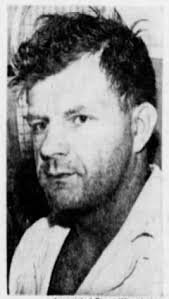
Richard Laurence Marquette: The Oregon Butcher
Overview
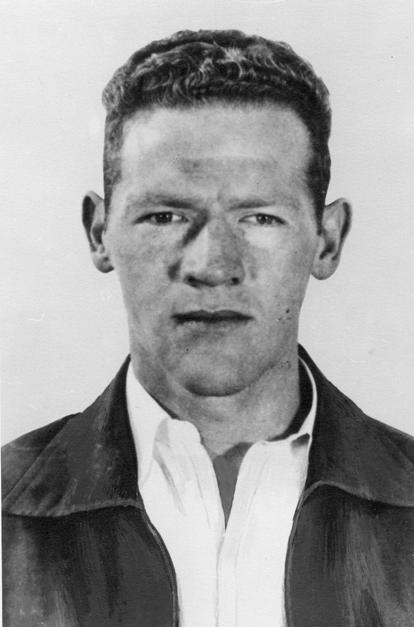
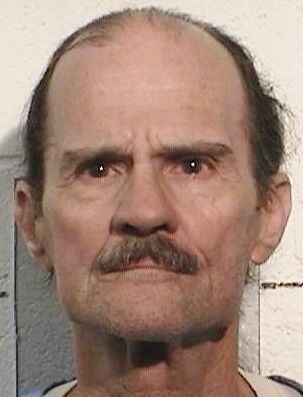
Richard Laurence Marquette is an American serial killer convicted of the murders of three women in Oregon between 1961 and 1975. His brutal crimes were characterized by strangulation, postmortem mutilation, dismemberment, and the draining of his victims' blood. Marquette holds a unique place in criminal history as the first person to be added as a "special addition" to the FBI's Ten Most Wanted Fugitives list, expanding it to eleven names. After his first murder conviction in 1961, he was paroled, only to kill again. His subsequent capture in 1975 led to a life sentence without the possibility of parole. He is known to have killed Joan Caudle, Betty Wilson, and a third unidentified woman.
Early Life and Criminal Beginnings
Richard Laurence Marquette was born on December 12, 1934, in Portland, Oregon. His criminal record began long before his first murder. In June 1956, at age 21, he was arrested for attempted rape, but the charge was dropped when the victim declined to press charges. A few months later, he was arrested for disorderly conduct. His first significant conviction came in August 1957, when he robbed a Portland service station, attacking the attendant with a sack filled with wrenches. He pleaded guilty to assault with intent to rob and was sentenced to 18 months in the Oregon State Penitentiary but was released after serving a year for good behavior.
The Murder of Joan Caudle
On June 5, 1961, Joan Rae Caudle, a 23-year-old wife and mother of two, was reported missing by her husband in Portland. She had gone out to buy a Father's Day gift and never returned. Three days later, on June 8, the case took a gruesome turn when a local woman's dog brought home a human foot in a paper bag. While police were at the scene, the dog returned with a human hand. A search of the area uncovered more dismembered body parts that had been drained of blood. The remains were identified as Joan Caudle's on June 14 through fingerprints.
Witnesses reported seeing Caudle at a tavern on the night she disappeared, in the company of Richard Marquette, a regular patron. They were seen leaving the bar together. When police went to Marquette's small rented house, he had already fled. Inside, investigators made a horrifying discovery: more of Caudle's remains were found butchered and wrapped in his refrigerator, along with bloodstained lingerie. The only part of her body still missing was her head.
FBI's Most Wanted and Capture
Following the discovery at Marquette's home, a first-degree murder warrant was issued on June 19, 1961. The crime was deemed "the most heinous in Oregon history" by then-Governor Mark Hatfield, who appealed to the FBI for assistance. In an unprecedented move, the FBI expanded its famous "Ten Most Wanted Fugitives" list to include Marquette as an eleventh name, marking him as a "special addition" due to the extreme violence of his crime and the threat he posed.
The tactic proved effective almost immediately. On June 29, 1961, Marquette was officially added to the list. The very next day, June 30, the manager of an employment agency in Santa Maria, California, recognized him from a wanted flyer posted in a credit bureau and alerted the authorities. FBI agents arrested Marquette without resistance; he was reportedly relieved to be caught. He waived extradition and was flown back to Portland.
First Trial and Parole
In custody, Marquette confessed to killing Joan Caudle. He claimed that he and Caudle knew each other from elementary school and that after a night of bar hopping, they went back to his house for consensual sex. He alleged that an argument broke out afterward, during which he strangled her in a drunken rage. He stated he panicked because he had no car to dispose of the body and decided to dismember it in his shower. Prosecutors found his story doubtful and sought a rape charge in addition to murder, believing the encounter was not consensual. Marquette later led investigators to Caudle's head, which he had disposed of near a riverbank at Oaks Park.
In December 1961, a jury found Marquette guilty of first-degree murder. However, they recommended leniency, which spared him from the death penalty and resulted in an automatic life sentence. Upon hearing the recommendation, Marquette was heard muttering, "Thank God."
Marquette was described as a "model prisoner" during his incarceration. In a decision that would have tragic consequences, he was granted parole in 1973 after serving only 11 years of his life sentence.
The Murder of Betty Wilson
In April 1975, less than two years after his release, Marquette killed again. A fisherman discovered mutilated human remains in a slough in Marion County, Oregon. The victim was identified as 37-year-old Betty Wilson, a mother of seven who had recently moved to Salem to escape an abusive relationship. The modus operandi was chillingly similar to the Caudle murder: Wilson's body had been drained of blood, dismembered, and mutilated.
Investigators quickly focused on Marquette. Evidence found in his mobile home linked him to the crime, and he was arrested within days. Overwhelmed by the evidence, Marquette pleaded guilty. He gave a story similar to his first confession, claiming he and Wilson met, went to his home, and he strangled her when she refused to have sex. This time, however, he owned a pickup truck, negating his earlier excuse that dismemberment was a necessity born of panic. Investigators concluded the act of mutilation was part of his violent obsession.
The Unidentified Third Victim
During his confession for the murder of Betty Wilson, Marquette admitted to killing another woman in 1974, shortly after he was paroled. He told detectives he had picked up the woman at a Salem bar called Dubious Dudley's, taken her home, and strangled her when she, according to him, backed out of having sex. He then dismembered and mutilated her body in the same manner as his other victims.
Marquette led investigators to two shallow graves in a rugged area near the Clackamas River where he had buried most of her remains on June 13, 1975. However, the victim's head was never found, and with no clothing or jewelry recovered, her identity remains unknown to this day. Marquette claimed he never knew her name and figured nobody missed her since he never heard anything about a missing person report.
Second Trial and Final Sentence
Facing overwhelming evidence for the murder of Betty Wilson and having confessed to a third killing, Richard Marquette pleaded guilty in May 1975. He was sentenced to life imprisonment without the possibility of parole. Criminal psychiatrists who examined him concluded that Marquette was socially adjusted until faced with rejection by women, which would trigger a murderous rage. He has been incarcerated since June 1975.
The Victims
- Joan Rae Caudle, 23 — Murdered on June 5, 1961, in Portland, Oregon. She was a young wife and a loving mother to two small children who disappeared after going shopping for a Father's Day gift.
- Betty Wilson, 37 — Murdered in April 1975 in Salem, Oregon. A mother of seven, she had recently relocated to Oregon to build a new life for herself after leaving an abusive relationship.
- Jane Doe, age unknown — Murdered in mid-1974 in Marion County, Oregon. A woman Marquette claimed to have met in a bar, her identity remains unknown as her complete remains were never recovered.
Imprisonment
Richard Laurence Marquette has been imprisoned for over four decades. He has been held at the Oregon State Penitentiary and, more recently, at the Snake River Correctional Institution. He is not eligible for parole. In 2022, he lost an appeal to the parole board.