The Intersection at Five O'Clock: The Unanswered Killing of Erik Hurtado
Posted by admin
on November 24, 2026, 18:53
2
0
A Life Ended in the Late Afternoon
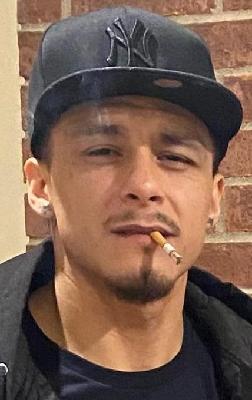
On a Friday afternoon, as the city of Dallas was transitioning from the labors of the work week to the respite of the weekend, a young man’s life was brought to a violent and premature end. Erik Hurtado was just 31 years old, a man born on May 21, 1992, with decades of life presumably still ahead of him. That future was erased on March 8, 2024, in a brutal act of violence that left a family grieving and a community searching for answers. The events of that day turned a public intersection into a crime scene and transformed Erik Hurtado from a living, breathing person into the subject of a homicide investigation. His death is a stark reminder of how quickly a life can be extinguished and how long the shadows of unanswered questions can linger for those left behind in the aftermath of tragedy.
The Call That Changed Everything
The first official notice that something was terribly wrong came in at approximately 5:05 p.m. It was a time of day when traffic is often heavy, when people are heading home from work, running errands, or meeting loved ones. At the busy Dallas intersection of Lake June Road and Masters Drive, this ordinary flow of daily life was irrevocably broken by the sound of gunfire. A call was placed to the Dallas Police, reporting a shooting. In that single moment, the mundane backdrop of a city crossroads became the focal point of a major police response. For first responders, it was another call in a long shift; for Erik Hurtado and his family, it was the beginning of an irreversible nightmare from which they would never fully awaken.
The Scene at the Crossroads
Upon arriving at the intersection of Lake June Road and Masters Drive, Dallas Police officers were met with the immediate and grim reality of the report they had received. They found Erik Hurtado at the scene, suffering from one or more gunshot wounds. The moments that followed his discovery were a flurry of urgent, professional activity, but for Erik, they must have been a terrifying and painful blur. The presence of law enforcement secured the area, transforming it from a public thoroughfare into a protected crime scene, but the most immediate priority was the human life hanging in the balance. Officers at the scene were the first to witness the devastating consequences of the violence that had just occurred, and their findings set in motion a desperate race against time to save a man’s life.
A Desperate Fight for Survival
With Erik Hurtado grievously injured, the responsibility for his immediate care fell to Dallas Fire-Rescue. Paramedics and emergency medical technicians worked quickly to stabilize him, providing critical care on the spot before making the decision to transport him for more advanced medical intervention. He was rushed to a local hospital, the sirens of the ambulance a frantic plea for a second chance. For every person involved in this stage of the response, from the dispatchers to the drivers to the medical personnel, the singular goal was preservation of life. In those tense moments during the journey and upon arrival at the emergency room, there remained a fragile hope that the damage done by the bullets was not irreversible and that Erik Hurtado’s story would not end that day.
The End of a Young Life
Despite the swift response of emergency services and the best efforts of medical professionals at the hospital, the injuries Erik Hurtado sustained were too severe. He died at the hospital, succumbing to the gunshot wounds that had torn through his body just a short time earlier. His passing marked the tragic conclusion to the immediate crisis and the official beginning of a new, somber chapter. With his death, the case was no longer an aggravated assault; it was now a homicide. The investigation shifted in focus from who had committed an act of violence to who had committed the act of murder, a permanent and devastating crime that left no possibility of reversal or recovery for the victim.
MEMBER ACCESS
Continue reading the complete case summary
Unlock the full case narrative for , all available source links, additional videos, and member discussions.
Unlock Full Case Access — $3.97/month
Cancel anytime.
Already a member?
Log in
Share
There are no comments yet.
Leave A Comment






LM
on Vanished Without a Trace: The Unsolved Disappearance of Silvia Menendez in Downtown Los Angeles
Silvia es mi hermana. Si en algún momento tu encuentras este post. Quiero que sepas que te busco, necesito saber que estás bien, segura y a salvo, yo estoy sufrurndo mucho con esta incertidumbre al no saber nada de ti y prnsar que puedas no estar bien.
July 3, 2026, 06:44
LM
on Vanished Without a Trace: The Unsolved Disappearance of Silvia Menendez in Downtown Los Angeles
She is my sister, and I am trying to locate her.
April 30, 2026, 04:53
HC
on Vanished Without a Trace: The Disappearance of Saidy Yolibeth Chirinos in Falfurrias, Texas
Te Xtraño muchooo mi lokitha bella te llevo presente cada día que Dios me presta de vida💔😪
January 31, 2026, 10:14
OT
on Vanished at Sea: The Mysterious Disappearance of Cameron Booth Off Chincoteague's Coast
He was a criminal, an abuser, likely who didn't want to face justice of his actions and took his own life because he could not face the consequences of what he did. The victims have told the family his crimes, with evidence. The family knows he was arrested and convicted of possession of CSAM. They know who and what he was. And they're all so equally sick they live in comfort that the victims don't want to retraumatize themselves over everything he put them through. Dont support this families sick parade of using a monster to get sympathy. He was never ashamed of who he was. He loudly boasted his crimes and justified them. The family shouldn't sit there and pretend, how far from reality are they to sit and post this man publicly on news outlets, websites, knowing who he is. Do they need attention that badly? They don't want the attention from the truth. The victims will never get justice. Do not pray for him o
January 22, 2026, 22:01