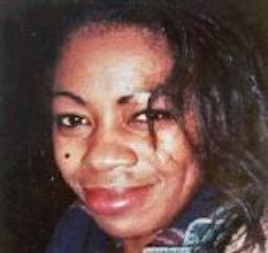
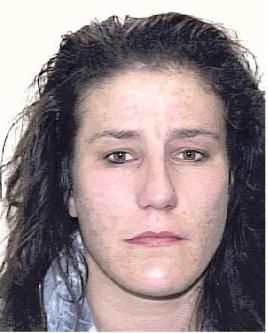
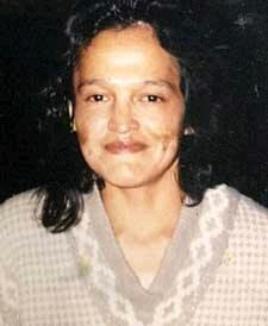
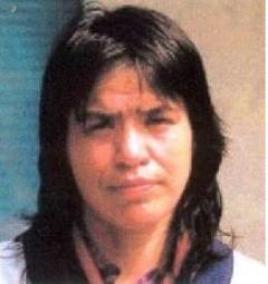
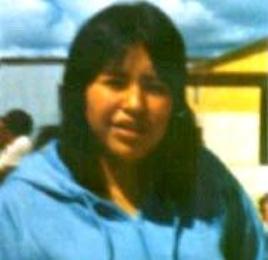
Marlene Yvonne Abigosis, a 25-year-old Indigenous woman, was living in Vancouver's Downtown Eastside when she vanished. The exact date of her disappearance is uncertain, with some sources stating January or March of 1984, while her sister last had contact with her in December 1983. During that final conversation, a distressing late-night phone call, Marlene expressed to her sister, Valerie, her despair with the life she was leading.
She spoke of plans to leave Vancouver and start fresh in Calgary, leading her sister to believe she would stop at her home in Revelstoke, which was on the way. Tragically, Marlene never arrived, and that phone call was the last time Valerie heard from her. At the time, Marlene was struggling with addiction and was sometimes homeless, experiences her family attributes to the trauma she endured in the residential school system.
Originally from the Pine Creek First Nation in Manitoba, Marlene was one of fourteen children. Both she and her siblings were survivors of the residential school system, a traumatic experience that deeply affected their lives. Her sister Valerie explained that Marlene used alcohol to cope with the pain of her past. Despite the hardships she faced, Marlene was known to keep in contact with her family. She was known to work near the docks in Vancouver and would occasionally travel with clients on their boats to places like Washington State and Vancouver Island. Her sister recounted a time when Marlene seemed to find happiness, having fallen in love with a Norwegian man whose ship would come into port. It was a glimpse of a different life, one her sister wished she could have had.
The official investigation into Marlene's disappearance was fraught with painful delays. Valerie's initial attempts to report her sister missing in 1984 were met with indifference, with one officer reportedly telling her, 'People go missing all the time'. A formal missing persons report was not filed by the RCMP until 2002, nearly two decades after she was last heard from. This official action was prompted by the investigation into serial killer Robert Pickton, as authorities were collecting DNA from families of missing women from the Downtown Eastside. No DNA match was ever found connecting Marlene to the Pickton farm. Years later, the RCMP informed Valerie that they were closing her sister's case, as they had been unable to find any leads. The handling of the case left her family with a profound sense of distrust and pain that endures to this day. The overview of this case highlights the story of a young Indigenous woman whose disappearance was not given the immediate attention it deserved, reflecting a larger pattern of systemic issues faced by missing and murdered Indigenous women and girls in Canada.Last Seen: Jan 1, 1984