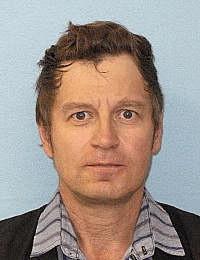
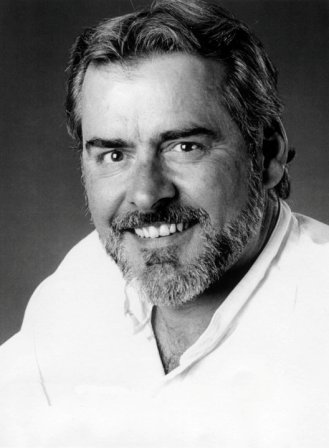
Summary based on the NamUs case record (can2014004610) and
1 other sourceAbsolom “Abbie” Halkett was a Cree man and respected band councillor who disappeared while prospecting in the remote wilderness of northern Saskatchewan. Although some older summaries have confused his age with that of his companion, James Brady, current Saskatchewan missing-person records list Halkett’s birth date as March 15, 1928, making him 39 years old when he vanished.
On June 7, 1967, Halkett and Brady were flown into the Foster Lakes region, roughly 120 miles northwest of La Ronge, Saskatchewan, for a prospecting assignment. The two men were experienced in northern travel and bush conditions, and they had gone into the area to investigate mineral prospects. Their destination was associated with Lower Foster Lake, an isolated region of Canadian Shield, forest, muskeg and interconnected lakes where travel away from established routes could be extremely difficult. According to official records, the men were last heard from during a radio communication with a nearby mining operation the following day. After that contact, there was no further confirmed communication from either man.
Halkett was not alone with an inexperienced traveler. Brady, 59, was a well-known Métis leader, activist and prospector, while Halkett himself was a Lac La Ronge Indian Band councillor who was familiar with the northern Saskatchewan environment. Later accounts of the case describe both men as seasoned bushmen who knew how to survive in isolated country, an important reason their disappearance troubled relatives and members of the La Ronge community. They had been hired to conduct preliminary prospecting work connected with a mineral or uranium showing in the Foster Lakes area. Research into the case has further reported that the pilot who transported them may have left them at the wrong lake, rather than precisely where their employer intended them to work. Even if the men recognized such an error, people familiar with their abilities believed they would have understood that remaining near their camp and awaiting aircraft was safer than attempting a long overland journey through rugged, trackless country.
Concern developed when the men failed to reappear or provide the expected reports from their prospecting work. Berry Richards, who had hired them, returned to the area by aircraft to check on their progress and replenish their supplies. Instead of finding Halkett and Brady working at the camp, he encountered an abandoned campsite. Accounts of the later investigation describe the camp as still standing, with equipment left behind and a canoe remaining at the lakeshore. Nothing at the scene provided an obvious explanation for why two experienced outdoorsmen would have walked away from their base and disappeared. The discovery was particularly disturbing because their camp offered shelter, supplies and a recognizable location from which aircraft could find them. If they had simply become temporarily lost while working nearby, searchers expected that some sign of their movements, equipment or remains might eventually be discovered. Instead, the wilderness appeared to have swallowed both men without leaving a clear trail.
A major search followed. Saskatchewan’s official missing-person record states that extensive land, air and water searches were conducted without finding any trace of Halkett or Brady. Historical accounts describe aircraft from the RCMP, the provincial Department of Natural Resources and private aviation companies participating in the operation, while ground searchers spent weeks combing the surrounding country. Local Indigenous trappers and guides, people with intimate knowledge of northern terrain and wilderness travel, also joined the effort. One historical account describes RCMP ground searching continuing for approximately 23 days, with aircraft continuing to inspect the region later in the summer. Despite the scale of the operation, neither man was located. No confirmed remains were recovered, and no definitive trail was found leading from the camp to a place where they could have died from exposure, drowning or an accident.
The official explanation that developed after the original investigation was that Halkett and Brady had probably become lost after leaving their camp and eventually died in the wilderness, with exposure, an accident or wildlife sometimes mentioned as possible explanations. That conclusion never satisfied many people who knew the men. Both had considerable experience in the bush, and community members questioned why they would abandon a functioning camp and attempt to travel through difficult wilderness without leaving an identifiable trail. The absence of bodies, equipment or other conclusive evidence also allowed doubts to persist. Over the decades, alternative theories emerged, including suspicions that the men encountered foul play. Those theories were strengthened in the minds of some community members by Brady’s prominent political activism and by the fact that both men were respected Indigenous leaders. However, no publicly established evidence has conclusively demonstrated that either man was murdered, and allegations involving political enemies, mining interests or deliberate violence remain theories rather than proven explanations.
The disappearance remained important within northern Saskatchewan long after the original searches ended. Researchers Michael Nest, Deanna Reder and Eric Bell later undertook a detailed reinvestigation that became the book Cold Case North: The Search for James Brady and Absolom Halkett. Their work involved examining historical records, interviewing people with knowledge of the men and the disappearance, and returning attention to the Foster Lakes area. Researchers and community members also conducted renewed searches, including work involving sonar equipment on Lower Foster Lake. Their investigation questioned aspects of the original police response and brought renewed attention to witness information, the handling of the campsite and the possibility that significant avenues of investigation had not been fully pursued in the years immediately following the disappearance. Even with this renewed effort, however, no discovery has publicly established what happened to Halkett and Brady or provided their families with a definitive answer.
Today, Saskatchewan authorities continue to list Absolom Halkett as a missing person, with the F Division RCMP Historical Case Unit identified as the investigating agency. His case is linked with that of James Brady because the men disappeared together from the same remote prospecting camp and neither has ever been conclusively located. More than half a century later, the central mystery remains remarkably unchanged: two knowledgeable northern outdoorsmen flew into the Foster Lakes wilderness to perform ordinary prospecting work, communicated shortly after arriving, and then vanished from a campsite that was later found abandoned. Intensive searches failed to recover them, no confirmed physical evidence has established their fate, and later investigations have raised questions without producing a final resolution. The disappearance of Absolom Halkett therefore remains both an active missing-person case and an enduring source of loss for the families and northern Saskatchewan communities that have continued to seek an explanation for what happened to him and James Brady.Last Seen: Jun 7, 1967