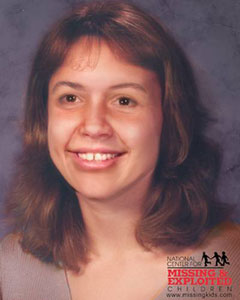
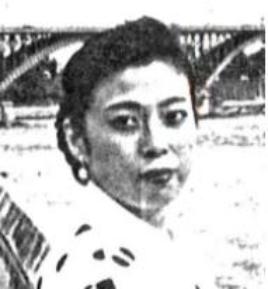
Summary based on the NamUs case record (can2018063232) and
1 other sourceElizabeth Shelly was a 42-year-old woman when she was last seen in Toronto, Ontario, on December 31, 1999. Her disappearance began at the very end of the twentieth century, on a day when Toronto and cities around the world were preparing to welcome the new millennium. Beyond that basic information, publicly available material concerning Elizabeth is exceptionally limited.
Online records do not provide a reliable account of the specific Toronto address or neighbourhood where she was last seen, the time of day of the final known sighting, who last saw or spoke with her, or what she was believed to be doing before she disappeared. There is also no sufficiently reliable public account describing whether she left a residence, workplace, social gathering, business, public location, or some other place before contact with her was lost. Without those details, it would be inappropriate to reconstruct a final journey or suggest circumstances that have never been publicly established.
The surviving public information also does not provide enough detail to describe Elizabeth's appearance with confidence beyond identifying her as an adult female who was 42 years old at the time she was last seen. Reliable online sources located for her case do not clearly establish her height, weight, hair or eye colour, ethnicity, distinctive scars or tattoos, or the clothing and personal belongings she may have had with her when she disappeared. Likewise, there is no dependable publicly available information establishing whether Elizabeth had access to a vehicle, whether a vehicle was subsequently located, whether she intended to travel outside Toronto, or whether investigators identified any particular person as the last individual known to have been with her. No verified public narrative was located describing a struggle, accident, medical emergency, crime scene, or other event that would explain what happened after the final reported sighting. The absence of those details from material available online does not mean investigators or Elizabeth's loved ones never possessed additional information; it means those facts cannot responsibly be presented as established without a reliable public record supporting them.
As the years passed, Elizabeth's case appears to have left only a very small footprint in material that can presently be located online. No reliable publicly accessible account was found describing a confirmed sighting after she vanished, and there is not enough verified information to identify a particular destination she may have been trying to reach or to establish why communication with her ceased. There are similarly no substantiated public details indicating that investigators tied her disappearance to another missing-person case, identified a suspect, announced evidence of foul play, or established a specific theory explaining what occurred. That uncertainty is especially difficult in an older disappearance because memories fade, witnesses relocate or die, businesses close, neighbourhoods change, and records created before widespread digital archiving may never have been placed online. Elizabeth's story therefore remains defined not by a detailed sequence of publicly documented events, but by the abrupt disappearance of a woman whose movements after her final known contact cannot be reconstructed from the reliable information presently available to the public.
What can be stated without speculation is painfully straightforward: Elizabeth Shelly was a 42-year-old woman whose last reported sighting was in Toronto, Ontario, on December 31, 1999, after which the publicly documented trail becomes extremely thin. There is no reliable basis for adding conversations, destinations, relationships, suspects, investigative conclusions, or circumstances surrounding her disappearance that have not been publicly confirmed. Her case is a reminder that some missing-person investigations, particularly older ones, survive publicly with only a name, an age, a place, and a final known point in time, while the larger story remains known only in fragments or not publicly documented at all. In overview, Elizabeth's case centers on her disappearance from Toronto at age 42 on the final day of 1999 and the enduring absence of publicly verified information explaining what happened afterward, leaving a deeply incomplete story in which even the most basic unanswered question—what became of Elizabeth after she was last seen—cannot be resolved from the information currently available online.Last Seen: Dec 31, 1999