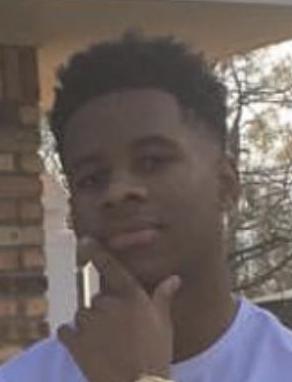
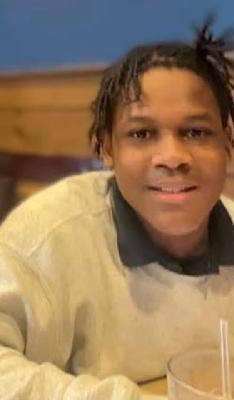
A life was tragically cut short on Saturday, February 12, 2011, in Baton Rouge, Louisiana, when Brandon Lewis, a 30-year-old man, became a victim of homicide. Beyond his name and age, the public record remains painfully quiet about the man himself—the life he lived, the family that loved him, his work, and his passions. His death is a stark entry in the city's chronicles of violence for that year, a personal tragedy for his loved ones that has been left without public resolution or answers for more than a decade. For those who knew and cared for him, his loss is not a statistic but a permanent and deeply felt absence.
The specific circumstances of the violence that claimed Brandon’s life have not been shared publicly by authorities. Key details—such as the exact time of day, the location within Baton Rouge where he was found, and the nature of the incident that led to his death—remain unreleased. This absence of information leaves a void for a community hoping to understand what happened. February 12, 2011, was a Saturday, a day that typically would have been filled with weekend activities across Louisiana's capital city. Instead, for Brandon and his family, it became a day of irreversible loss and the beginning of a long and frustrating search for justice.
The investigation into Brandon Lewis’s murder was handled by the Baton Rouge Police Department. In any homicide case, detectives are tasked with the meticulous work of processing a crime scene, gathering physical evidence, and tracking down potential witnesses. They seek to piece together the victim’s final hours, searching for any detail that might lead to a motive or a suspect. Despite these efforts, the investigation into Brandon's death has not resulted in any publicly announced arrests or the naming of any persons of interest. The trail of information seems to have gone cold, leaving the case unsolved.
Cases like Brandon’s highlight the difficult reality that not all homicides are quickly solved. Without a confession, clear forensic evidence linking a suspect to the crime, or cooperative witnesses, investigations can stall. Over time, detectives may change, memories can fade, and new cases demand immediate attention. For the families left behind, the wait is agonizing. They are left to wonder if anyone will ever be held accountable for the death of their loved one, navigating a world of grief compounded by a lack of closure. The questions of who was responsible for Brandon's death and why it happened remain unanswered.
The city of Baton Rouge has long grappled with issues of violent crime, and 2011 was no exception. The city’s police force and community leaders have implemented various strategies over the years to address the root causes of violence and improve public safety. However, each unsolved case represents a tear in the fabric of the community and a reminder of the work that still needs to be done. These cold cases are not just forgotten files; they represent real people whose stories deserve a final chapter where justice is served.
The investigation into the murder of Brandon Lewis remains open but inactive. For progress to be made after so many years, law enforcement often relies on a crucial tip from the public. Someone, somewhere may have information about what happened to Brandon on that day in February 2011. They may have overheard something, seen something they did not realize was important at the time, or have a change of conscience that compels them to come forward. For the family of Brandon Lewis, any new information could be the key to finally understanding what happened and seeing justice done.
The Greater Baton Rouge Crime Stoppers offers a way for individuals to provide information anonymously. Anyone with knowledge about the homicide of Brandon Lewis is urged to contact them at 225-344-7867. A reward may be available for information that leads to an arrest.