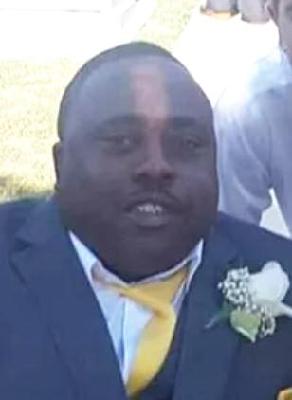
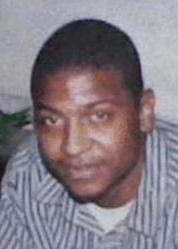
James H. Lacy, a 47-year-old resident of San Diego, California, died on August 4, 2017, following a deputy-involved shooting. Lacy had a long history of criminal activity, including arrests for drug possession, driving under the influence, and hit-and-run offenses. His criminal record also included a three-year prison sentence in 2001 for brandishing a firearm at law enforcement officers.
On the day of his death, Lacy reportedly threatened to shoot two deputies who were attempting to evict him from his apartment on 2nd Avenue, near Downtown San Diego and Balboa Park. The deputies, Sean Ochoa and Don Wood, fired several rounds at Lacy after he allegedly moved a handgun in their direction. The weapon was later identified as a non-lethal BB air pistol or Airsoft replica handgun.
Following the incident, the San Diego County District Attorney's Office conducted an investigation and concluded that the deputies acted reasonably under the circumstances. The District Attorney's report indicated that Lacy had threatened to arm himself with a gun if the deputies entered his apartment. When the deputies did enter, Lacy pointed a weapon at them, prompting the deputies to open fire. The investigation revealed that Lacy's weapon was not a real firearm, but a replica. Despite this, the deputies' actions were deemed justified given the perceived threat.
In the aftermath of Lacy's death, his family filed a lawsuit against the San Diego Sheriff's Department and the two deputies involved in the shooting. The family claimed that the deputies were negligent and failed to consider Lacy's existing mental disability. They argued that more could have been done to de-escalate the situation and that the Psychiatric Emergency Response Team (PERT) should have been called before the deputies entered the apartment. The lawsuit highlighted the need for better mental health resources and training for law enforcement officers to handle such situations more effectively.
The case drew attention to the broader issue of how law enforcement agencies handle encounters with individuals who have mental health issues. Lacy's family hoped that their lawsuit would lead to changes in police protocols and increased mental health support for officers. The incident also sparked discussions about the use of non-lethal weapons and the importance of distinguishing between real firearms and replicas in high-stress situations.