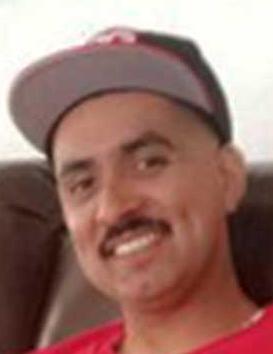
On the evening of May 21, 2014, Constantino Garcia, a 23-year-old resident of Salinas, California, was tragically killed during a riot that erupted in the East Salinas neighborhood. The incident occurred near the intersection of Mae Avenue and Del Monte Avenue, where Garcia was standing outside his home. The riot was a response to a series of police shootings in the area, which had sparked significant community unrest and protests against police violence.
As the protest escalated, Garcia was shot multiple times at approximately 9:07 p.m. Despite the efforts of paramedics and police officers who attempted to render aid, Garcia succumbed to his injuries shortly after being transported to a local hospital.
The chaotic scene was further complicated by the actions of the demonstrators, who threw bottles, bricks, rocks, and other heavy objects at the first responders. This violent interference hindered the emergency personnel's ability to provide immediate and effective medical assistance to Garcia. At one point, a protester hurled a bottle that struck an officer in the head while he was performing CPR on Garcia, further delaying the life-saving efforts. The police and paramedics were eventually able to transport Garcia to an ambulance, but the injuries he sustained proved fatal.
In the aftermath of Garcia's death, the investigation faced significant challenges. Despite the presence of at least 100 witnesses at the scene, no one came forward to assist the police in identifying the shooter. The lack of cooperation from the community left the authorities with no suspects or arrests related to Garcia's murder. The incident highlighted the deep mistrust between the residents of East Salinas and the police, exacerbated by the recent officer-involved shootings that had already strained relations.
The broader context of Garcia's death involved ongoing protests against police brutality in Salinas. The community had been rallying against what they perceived as discriminatory and excessive use of force by the police, particularly against Latino men. The night of Garcia's death was marked by heightened tensions and a palpable sense of anger and frustration among the demonstrators. This tragic event underscored the urgent need for dialogue and reform to address the grievances of the community and to rebuild trust between the residents and law enforcement.
Overall, the death of Constantino Garcia remains a poignant reminder of the volatile intersection between community activism and law enforcement, and the profound impact such incidents can have on a community already grappling with issues of justice and equity.