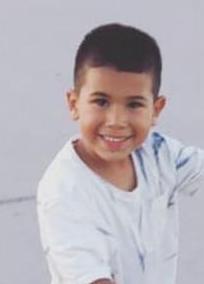
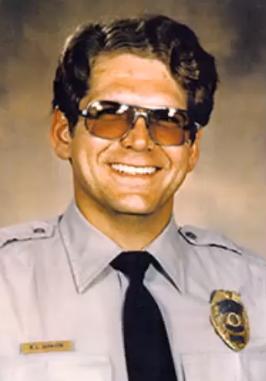
Lee Massey Smith Jr., a 16-year-old high school junior from San Diego, California, tragically lost his life on August 14, 2004. The incident occurred when Smith was at a bus stop with a group of people. A white Ford Expedition drove by, and shots were fired, resulting in Smith's death. This drive-by shooting was part of a series of violent acts carried out by members of a gang over a weekend.
The perpetrators were targeting individuals in rival gang territories to boost their own gang status.
The investigation into Smith's murder led to the arrest and conviction of several individuals. Dejon Satterwhite, who was 15 years old at the time, was identified as a passenger in the vehicle involved in the shooting. Satterwhite, along with his half-brother and two others, were implicated in multiple drive-by shootings that weekend, which also resulted in the death of another individual, Richard Wilson. Satterwhite was tried as an adult and convicted of first-degree murder, attempted premeditated murder, and shooting at an occupied vehicle. He received a sentence of 196 years to life in prison.
However, changes in California state law, specifically Proposition 57 and Senate Bill 1391, which reformed the juvenile justice system, led to a reevaluation of Satterwhite's case. These legal changes required that juveniles aged 14 to 17 could only be tried as adults with a Juvenile Court judge's approval. Consequently, Satterwhite's adult convictions were converted to juvenile convictions, and he was released from custody in October 2020.
The case of Lee Massey Smith Jr. highlights the complexities and challenges within the criminal justice system, particularly concerning juvenile offenders. The legal reforms aimed at providing fairer treatment for juveniles have sparked debates about justice, rehabilitation, and public safety. Smith's death remains a poignant reminder of the impact of gang violence on communities and the ongoing efforts to address such issues through legal and social interventions.