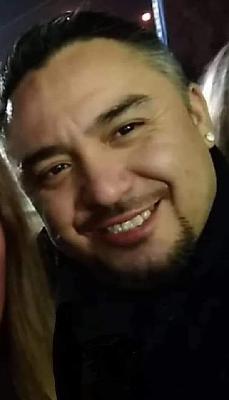
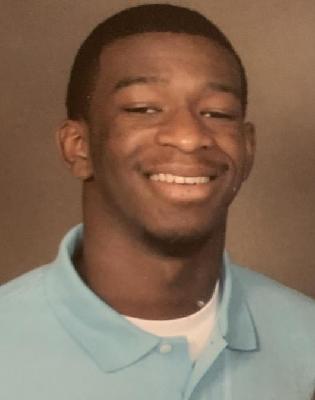
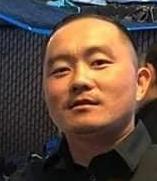
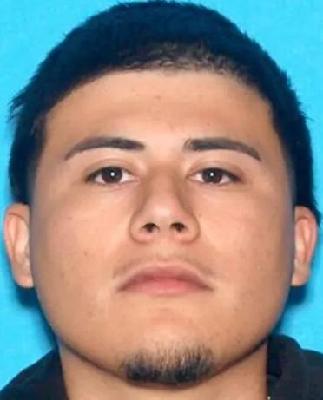
Rudy Sanchez, a bouncer at Carrillo's Club in Fresno, California, tragically lost his life on May 16, 1993, during a horrific mass shooting. On that fateful night, two men entered the club just after closing and opened fire, resulting in the deaths of seven individuals, including Rudy Sanchez. The incident was part of a spree of violent crimes committed by Johnnie Malarkey, who was later identified as the primary perpetrator.
Malarkey, along with an accomplice believed to be Allen Heflin, who later committed suicide, carried out the attack as part of a robbery gone wrong.
The investigation into the Carrillo's Club massacre revealed that Malarkey had a history of violent behavior and was already serving a 25-year prison term for a series of other shootings in 1993. His criminal activities included the wounding of a Fresno police officer and the murder of several other individuals. In a plea deal to avoid the death penalty, Malarkey confessed to the murders at Carrillo's Club and additional killings, leading to his sentencing to eight consecutive life terms without the possibility of parole. This plea bargain was seen as a way to expedite justice and avoid the lengthy and costly process of a trial.
The case of Rudy Sanchez and the other victims of the Carrillo's Club shooting remains one of the most tragic events in Fresno's history. The community was deeply affected by the senseless violence, and the case highlighted the need for better measures to prevent such incidents. The legal proceedings against Malarkey brought some closure to the families of the victims, but the memory of that night continues to haunt those who were affected. The investigation and subsequent legal actions underscored the importance of thorough law enforcement work and the complexities involved in prosecuting such heinous crimes.