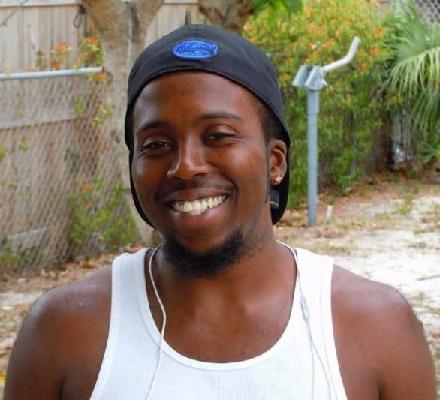
Malcolm Frederick, a 24-year-old African American male, tragically lost his life on December 31, 2017, in Boynton Beach, Florida. The incident occurred at his grandmother's home, where he and his younger brother, Jamal Frederick, were fatally shot. The confrontation that led to their deaths was reportedly over a $700 drug debt. Joseph Bruny, the accused shooter, claimed he acted in self-defense when he went to the Frederick brothers' home to collect the debt.
According to Bruny, he was confronted by the siblings, who were armed, leading to a deadly exchange of gunfire.
During the trial, Bruny testified that upon arriving at the home, he saw Jamal Frederick, a 21-year-old African American male, with a .380-caliber handgun. Bruny claimed he took the firearm from Jamal, believing he was deescalating the situation. However, Jamal allegedly turned to his older brother, Malcolm, who had a Mac 11 machine gun, and ordered him to shoot Bruny. In response, Bruny fired his weapon, striking Malcolm multiple times, including a fatal shot in the back. Bruny then shot Jamal, who was found with a loaded .45-caliber pistol under his body.
Bruny, who had a concealed-weapons permit, called 911 to report the incident and was intercepted by police on his way to the Boynton Beach police station. He was arrested and charged with two counts of first-degree murder with a firearm and robbery with a firearm. However, during the trial, Bruny's defense argued that he acted in self-defense, and the jury ultimately found him not guilty of the murder charges. The defense highlighted the lack of critical evidence, such as DNA and phone records, which they argued would have supported Bruny's claim of self-defense.
The deaths of Malcolm and Jamal Frederick sparked significant attention and debate within the community, particularly regarding the circumstances of the confrontation and the legal proceedings that followed. The case underscored the complexities of self-defense claims and the challenges in prosecuting such cases, especially when critical evidence is perceived to be lacking.