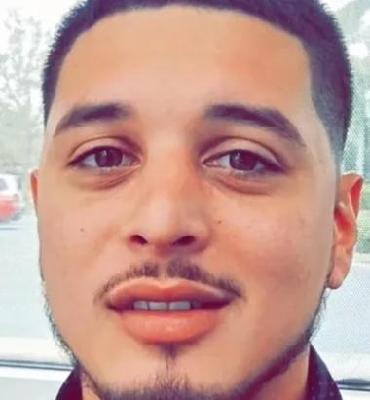
Terrell L. Smith, a 25-year-old resident of Tallahassee, Florida, tragically lost his life on October 30, 2014. Smith was found dead from multiple gunshot wounds near his still-running abandoned car on Bicycle Road in western Tallahassee. The investigation revealed that Smith had been shot five times, and his phone, found inside the car, provided crucial leads in the case.
The phone records indicated that Smith had been communicating with a number that belonged to Shelton Mitchell, who became a primary suspect in the investigation.
Shelton Mitchell, 20 years old at the time, was eventually arrested after eluding police on multiple occasions. Investigators linked Mitchell to the crime scene through phone triangulation and forensic evidence. They discovered almost 10 ounces of marijuana packaged for sale in a large Tupperware container in a bedroom where Mitchell was staying. Forensic investigators lifted a fingerprint matching Smith's off the container and found Mitchell's DNA on one of the baggies of marijuana. A witness testified that Mitchell had expressed a desire to rob a drug dealer and later admitted to the witness that he had robbed and shot a man, who turned out to be Smith.
During the trial, prosecutors sought charges of first-degree murder and armed robbery with a firearm against Mitchell. However, the jury found Mitchell guilty of the lesser charge of manslaughter. The defense argued that the evidence presented was circumstantial and questioned the reliability of the witnesses. Despite the lack of a murder weapon, the prosecution maintained that the cellphone evidence and forensic findings pointed to Mitchell's involvement in Smith's death. Mitchell was sentenced to remain in the Leon County Jail, with a case management conference scheduled for a later date.
The case of Terrell L. Smith's death highlights the complexities and challenges of criminal investigations, particularly when dealing with circumstantial evidence and the need for reliable witness testimonies. The tragic loss of Smith left a profound impact on his family and the Tallahassee community, as they continue to seek justice and closure for his untimely death.