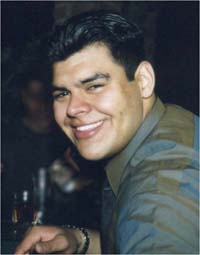
Elmer Rodas Garcia, 51, a Hispanic/Latino male, was found before dawn on May 27, 2025, on an embankment off the southbound San Diego Freeway at Manhattan Beach Boulevard in Lawndale. California Highway Patrol officers were notified at about 3:38 a.m., and the location—along the freeway near a cluster of tents—was quickly cordoned as investigators worked under the freeway roar and the first wash of morning light.
His body lay just beyond the guardrail, a quiet, windswept strip of brush that hides in plain sight beside the traffic stream.
By that afternoon, the Los Angeles County Medical Examiner identified the victim as Elmer Rodas Garcia, 51, male, and ruled the death a homicide caused by a gunshot wound to the back. Records referenced case number 2025-08741 and noted the formal pronouncement occurred on Tuesday. Agencies cycled through the scene in the early hours: Los Angeles County Sheriff’s Department units were dispatched around 3:45 a.m., Redondo Beach police arrived shortly before 4 a.m., and the CHP was ultimately assigned investigative purview, reflecting the crime’s strange geography along the freeway’s edge.
Authorities said the victim’s city of residence was not disclosed, and in the days that followed, the place where he was found remained the investigation’s gravitational center rather than a known home address. The Medical Examiner’s determination and CHP’s role underscored that this was not a freeway crash or medical emergency gone unseen, but a killing carried out in a corridor where encampments and the constant movement of cars can swallow evidence as quickly as it appears.
As of the identification announced on June 2, 2025, investigators had not publicly named a suspect, announced an arrest, or released a description tied to the shooting. Coverage described the case as an open investigation, with officials asking no more than patience while they pieced together how a man came to be shot and left beside the 405. In the aftermath, relatives organized a fundraiser in Spanish to help repatriate Elmer Rodas Garcia’s remains, sketching a portrait of a family jolted by sudden violence and the logistics that follow it.