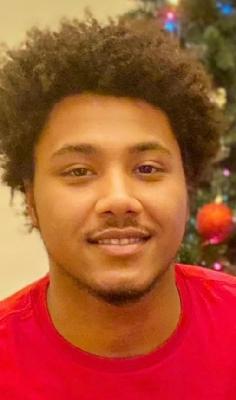
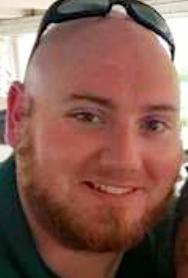
On the evening of November 6, 2025, Troy Meeks, a 37-year-old man from Ocala, was driving along the 8200 block of Southwest 49th Avenue Road when his path and another driver’s collided in a way that would change two families forever. Deputies with the Marion County Sheriff’s Office had just received calls about a reckless driver heading north in the southbound lane of the roadway, prompting patrol units to rush toward the area around 6 p.m.
When they arrived, the situation had already escalated from a traffic complaint into a deadly confrontation, and Meeks lay mortally wounded on the side of the road.
According to investigators and multiple news accounts, Meeks and another driver brought their vehicles to a stop after the erratic driving was reported. What began as a heated exchange of words between the two men quickly turned into a physical fight. Witnesses later described a burst of gunfire that ripped through the early evening, one neighbor recalling a rapid series of shots that sounded to him like “war” outside his apartment complex. When it was over, the other driver had drawn a firearm and shot Meeks multiple times, ending the struggle in an instant.
The shooter did not flee. He stayed at the scene and waited for deputies to arrive, cooperating with the initial investigation as crime scene tape went up and detectives began documenting what had happened in the fading light. The Marion County Sheriff’s Office’s Major Crimes unit brought the man in for questioning, then released him after a preliminary review of the evidence, saying publicly that the incident was being investigated as a possible “Stand Your Ground” case under Florida law. Authorities emphasized that they were working closely with the Fifth Judicial Circuit State Attorney’s Office, and that no charging decision had yet been made. As of the latest reports, the suspected shooter’s name has not been released, and he has not been formally arrested or charged, leaving the investigation and public debate over self-defense claims still unresolved.
Behind the headlines is the picture of Meeks’s life that has emerged from his family and friends. Relatives told reporters that he loved to fish and that he was the kind of father who tried to pass his skills along, taking pride in his work as an electrician and mentoring younger people who wanted to learn the trade. He leaves behind a teenage son and a toddler daughter, children whose names and ages were shared in fundraising appeals created to help support them in the wake of his death. An online memorial notes that Meeks was “lost to gun violence” in Ocala on November 6 and shows dozens of candles lit in his honor, while a GoFundMe campaign organized by a family friend describes parents, siblings, and children struggling to come to terms with the sudden loss.
In the days after the shooting, the scene itself quickly reverted to an ordinary stretch of roadway, marked only by faint traces in the grass and a scrap of leftover tape. But for those who live nearby, memories remain of patrol cars, flashing lights, and the sound of shots echoing through the neighborhood. For Meeks’s family, grief is intertwined with uncertainty as they wait for prosecutors to decide whether the shooter’s claim of self-defense will stand under Florida’s broad Stand Your Ground protections, or whether the case will move forward toward criminal charges. For now, the story of what happened on that November evening is frozen in an uneasy middle ground: a father killed in a roadside clash, a cooperating but unnamed suspect walking free while the law is weighed, and a community left to wrestle with questions about anger, fear, and how a simple drive could end in such irreversible violence.