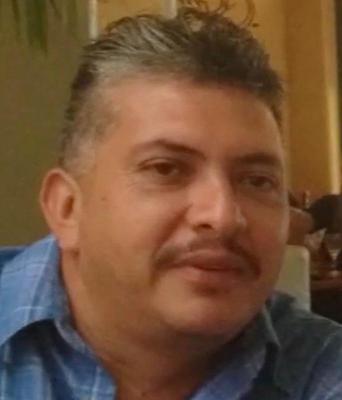
Fernando Gonzales, aged 41, tragically lost his life on September 28, 2020, in Fresno, California. Gonzales was attending a Rosary ceremony in the city when he was fatally shot by Andrew Levi Hammond. The incident occurred in a seemingly peaceful setting, which was abruptly shattered by the violence that ensued. The motive behind the shooting was not immediately clear, but it was a part of a series of violent acts committed by Hammond over the years.
Andrew Levi Hammond, who was 29 years
old at the time of the shooting, had a lengthy criminal history that included multiple felonies. His criminal record featured charges such as felony auto theft, felony evading, and several counts of assault likely to cause great bodily injury. This history of violence culminated in the murder of Fernando Gonzales, along with two other victims in separate incidents in 2022.
Following the murder of Gonzales, Hammond continued his violent spree, leading to the deaths of Steven Rice and Brandon Munoz in 2022. These murders were part of a pattern of escalating violence that ultimately led to Hammond's arrest and prosecution. The legal proceedings were extensive, and Hammond was found guilty of three counts of first-degree murder. In addition to these charges, he faced enhancements for the personal use of a firearm in each case.
The court sentenced Hammond to three consecutive life sentences without the possibility of parole, reflecting the severity of his crimes. Additionally, he received an indeterminate term of 75 years to life in state prison for the firearm enhancements. The sentencing marked the end of a prolonged period of fear and violence for the community, bringing some measure of justice for the families of the victims, including that of Fernando Gonzales.
The case of Fernando Gonzales' murder highlights the impact of persistent criminal behavior and the importance of addressing such patterns before they escalate to fatal outcomes. The legal system's response, in this case, underscores the commitment to ensuring that individuals who pose a significant threat to public safety are held accountable for their actions.