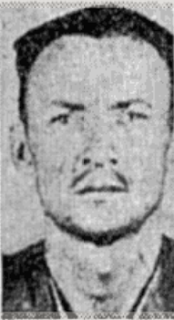
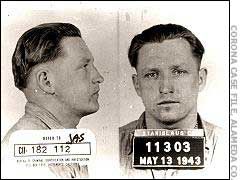
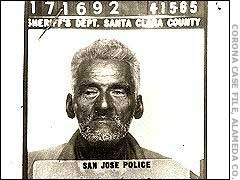
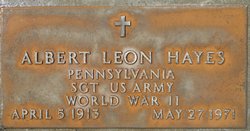
In the late spring of 1971, a series of gruesome discoveries in the orchards of Sutter County, California, shattered the peace of the rural community. Between May 20 and June 4, 1971, authorities unearthed the bodies of 25 itinerant farmworkers, the victims of a serial killer. Among them was a man named Joseph Maczak, whose final resting place was the 25th grave to be uncovered.
The exact date of his death on August 22, 1971, as initially suggested, conflicts with the timeline of the discovery of the bodies, which all occurred by early June of that year. It is more likely his death occurred sometime in the preceding months, between February and May 1971, a period during which a reign of terror swept through the area's migrant labor camps.
The investigation into the slayings pointed to a singular and chilling pattern. The victims, including Joseph Maczak, had been subjected to brutal violence. Autopsies on the discovered bodies revealed a consistent and horrific method of murder. The killer had used a heavy, sharp instrument, believed to be a machete, to inflict devastating chop and hack wounds to the heads of his victims. Many also suffered stab wounds to the chest. The bodies were then buried in shallow graves scattered across various ranches in the Marysville-Yuba City area, leaving a trail of horror for investigators to follow. The discovery of these graves sent a wave of fear through the local population and the vulnerable community of migrant workers who were the targets of this violence.
The evidence meticulously gathered by law enforcement ultimately led to the arrest of one man: Juan Vallejo Corona, a local farm labor contractor. In the grave of Joseph Maczak, investigators found personal items belonging to Corona, including a candleholder, pieces of a broken mirror, a child's sock, and, most damningly, two Bank of America deposit slips bearing his name. This physical evidence directly linked Corona to the final victim discovered and solidified the case against him. After a lengthy trial, Juan Corona was found guilty on all 25 counts of first-degree murder. The case of Joseph Maczak, and the 24 other men, was officially closed with the conviction of Corona, bringing an end to one of California's most prolific and terrifying murder sprees. The investigation and subsequent trial revealed a dark chapter in the region's history, highlighting the vulnerability of the migrant farmworker community and the cold, calculated nature of their killer.