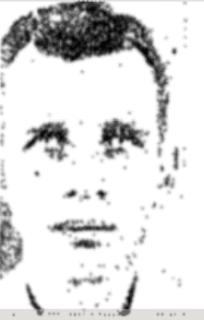
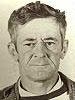
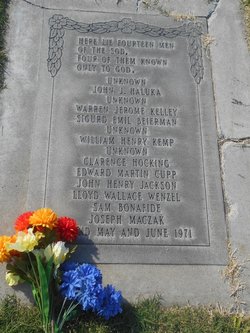
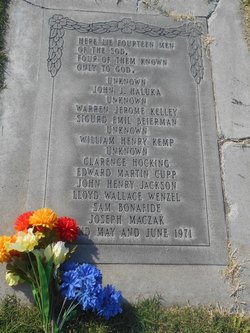
In the spring of 1971, a series of gruesome discoveries shattered the rural tranquility of Sutter County, California, ultimately unearthing a tale of horrific violence. Among the victims of this shocking crime spree was a 64-year-old man named John Henry Jackson. An Army veteran of World War II, Jackson was a man whose early life was marked by hardship, having been left at an orphanage as a baby.
In the years that followed, he became a farm laborer, a path that would tragically lead him to cross paths with a notorious killer. A witness last saw Jackson on May 3rd or 4th, 1971, in the company of a labor contractor named Juan Corona, climbing into Corona's pickup truck, ostensibly for a job. It was the last time he was seen alive.
The story of John Henry Jackson's death is tragically intertwined with one of California's most prolific serial murder cases. In May 1971, a farmer in the area discovered a freshly dug hole in his peach orchard that was filled in the following day, sparking suspicion. This led to the unearthing of a body, the first of many. Over the next few weeks, law enforcement would uncover a total of 25 bodies buried in shallow graves across various ranches in the region. The victims were primarily itinerant farm workers, men who lived transient lives, making them easy prey for a predator. The investigation soon centered on Juan Corona, a local labor contractor who had hired many of the victims. The evidence against him was substantial; receipts bearing his name were found in some of the graves, and a search of his home revealed bloodstained knives, a machete, a pistol, and a ledger containing the names of several of the murdered men.
The subsequent legal proceedings brought the harrowing details of the case to light. Juan Corona was arrested and charged with the murders of the 25 men, including John Henry Jackson. In 1973, a jury found him guilty on all 25 counts of first-degree murder, and he was sentenced to 25 consecutive life terms. Though his conviction was overturned on appeal in 1978 due to what was deemed incompetent legal representation, a second trial in 1982 resulted in the same verdict. Corona maintained his innocence for years, at one point blaming his half-brother for the crimes, but later in his life, he reportedly admitted to the killings. He died in prison in 2019. The case of the Yuba City murders, as it came to be known, left a lasting scar on the community and stands as a chilling reminder of the predatory evil that can lurk beneath a veneer of normalcy. The investigation brought to justice a ruthless serial killer and provided a measure of closure for the families of the victims, though the sheer brutality of the crimes continues to resonate.