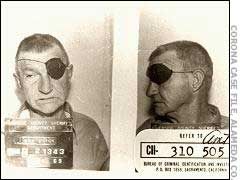
In the spring of 1971, a grim discovery in a Sutter County peach orchard shattered the rural tranquility of the area and uncovered a series of horrific crimes. A local farmer, noticing a freshly filled-in hole on his property, alerted the authorities. What they unearthed was the body of a man, the first of many victims of a serial killer who had been preying on transient farm laborers.
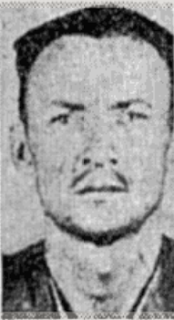
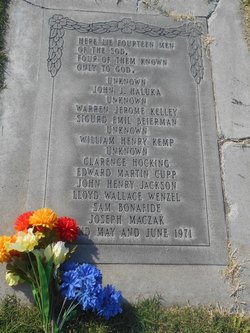
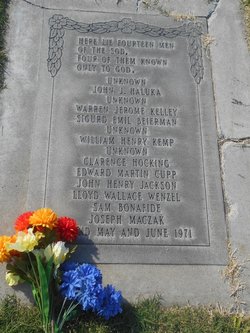
Among the victims of this killing spree was John Joseph Haluka, a 52-year-old man whose life was cut short in a brutal manner. His body was discovered on May 25, 1971, another victim in a case that would become one of the most notorious in California's history. The investigation into these gruesome discoveries quickly escalated as more and more bodies were found buried in shallow graves across the orchards of Sutter County.
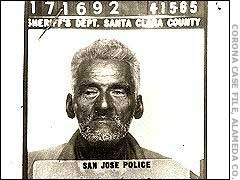
The investigation into the string of murders led law enforcement to a labor contractor named Juan Corona. Witnesses reported having last seen some of the victims in Corona's vehicle. This crucial information prompted police to obtain a search warrant for his home. On May 26, 1971, authorities arrested Corona after discovering incriminating evidence, including bloodstained knives, a machete, a pistol, and bloody clothing. Perhaps the most damning piece of evidence was a ledger containing the names of several of the victims, which prosecutors would later refer to as a "death list." This discovery provided a direct link between Corona and the men who had mysteriously vanished, turning the focus of the investigation squarely on him as the primary suspect in the multiple homicides.
Juan Corona was charged with 25 counts of first-degree murder, including the murder of John Joseph Haluka. His trial, which garnered significant media attention, concluded in 1973 with a guilty verdict on all counts, and he was sentenced to 25 consecutive life sentences. Although the conviction was later overturned on grounds of incompetent legal representation, a second trial in 1982 once again found him guilty of all 25 murders, reaffirming his life sentence. The case of John J. Haluka and the other victims of Juan Corona stands as a chilling chapter in American true crime. The random and brutal nature of the killings, carried out by a man who exploited his position of trust within the migrant worker community, left a lasting scar on Sutter County. Corona, who became known as the "Machete Murderer," died in prison in 2019, taking the full extent of his motives and the true number of his victims to his grave. The case remains a stark reminder of the vulnerability of a transient population and the hidden darkness that can exist within a seemingly peaceful community.