Crime Solvers Central
302 Cases Solved. Advancing justice for missing persons, unsolved homicides, unidentified and unclaimed remains.

Case Description

Any updates on this case? Let us know!
Summary based on 5 sources
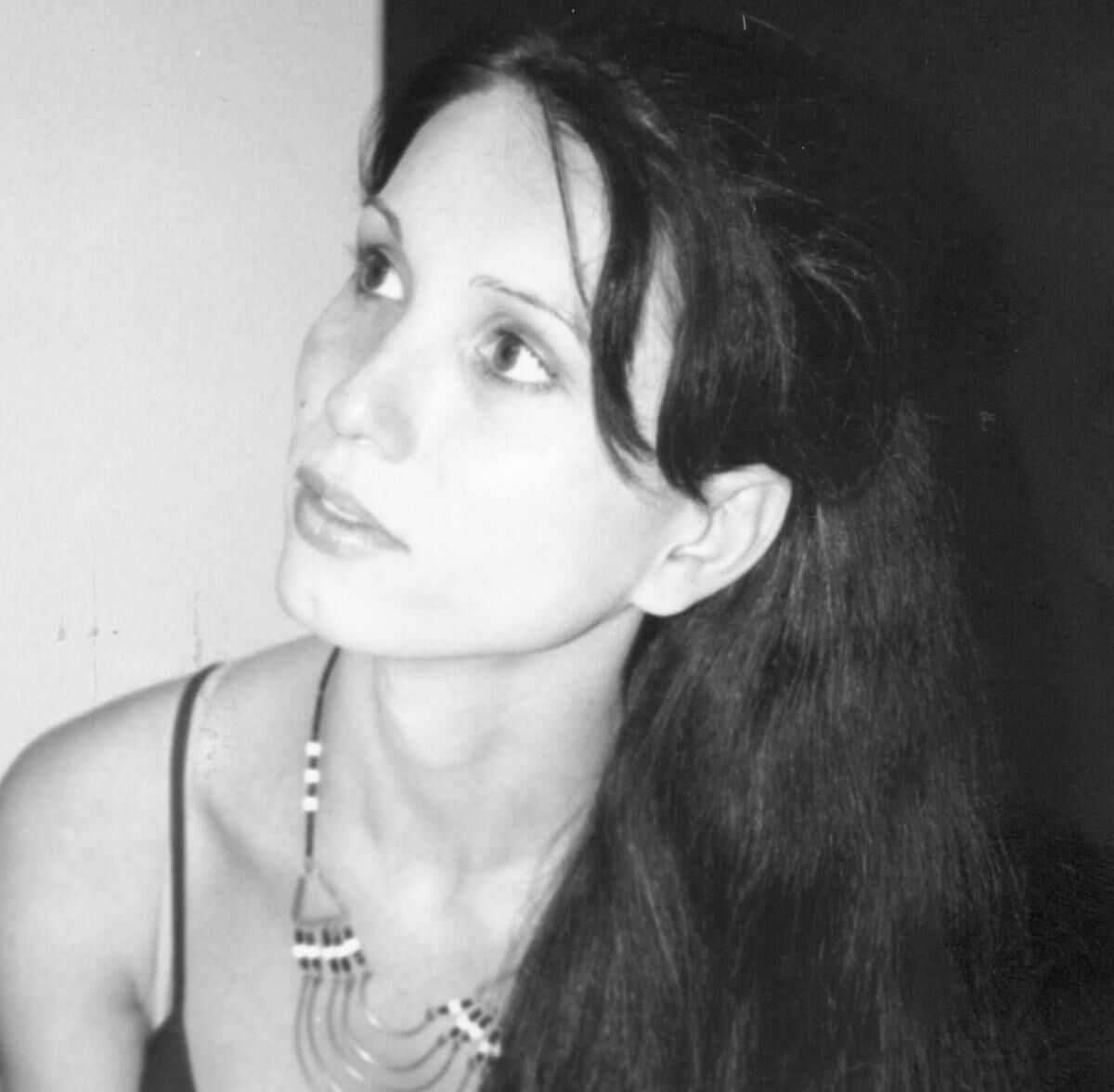
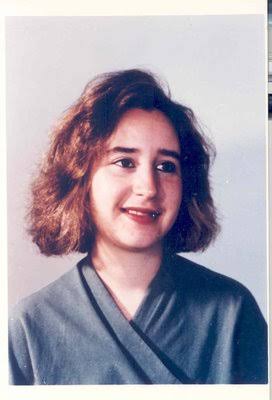
Cassandra Do was a glamorous and intelligent woman, remembered by friends for her striking looks and a penchant for French antique furniture. The 32-year-old Vietnamese-Canadian woman, who had once been a nursing student at George Brown College, was fluent in French and known in her circle as Tula. Living in Toronto's LGBTQ Village, she was a part of a community that would later mourn her deeply, but she also faced the specific dangers that came with being a transgender woman and a sex worker in the city.

On August 25, 2003, Cassandra was found deceased in the bathtub of her apartment on Gloucester Street. An autopsy would later confirm the cause of death was manual strangulation. The Toronto Police Service began a homicide investigation that initially seemed promising. Investigators collected crucial evidence from the scene, including the DNA of a male suspect.

The investigation took a significant turn when that DNA was entered into the National DNA Databank. It produced a match, not to a known offender, but to another unsolved crime. The genetic profile was identical to DNA left at the scene of a violent sexual assault that occurred six years earlier, in 1997. The victim in that case was another sex worker of Asian descent who had been attacked on Jarvis Street. She survived and provided police with a detailed description of her attacker: a tall Black man, approximately six-foot-three, weighing between 230 and 350 pounds, with a shaved head, and likely in his late 30s or early 40s at the time. Despite this connection, the suspect's identity remained a mystery, as his DNA was not in the databank under a name.

Detectives pursued various leads, examining phone records from an escort agency Cassandra worked for and her personal cell phone. They discovered that the man believed to be her killer had arranged a meeting by phone, but the calls were traced back to a payphone, leaving a dead end. Detective Sergeant Craig Samson, who led the initial inquiry, expressed his frustration at having such a strong piece of evidence as a DNA profile but being unable to identify the perpetrator. He explored the possibility that the killer could be from the United States, given that Cassandra had clients from there, but checks against American databases also yielded no results.

In the years following her death, Cassandra’s case grew cold, one of many unsolved homicides involving Toronto's queer and trans communities. Vigils were held in her memory, with more than 100 people gathering in Allan Gardens to honour her life. Her story, however, received sporadic attention, often framed by a narrative that critics felt blamed her for her own death due to her identity and profession. Community advocates and historians noted that media coverage often focused on her transition and work, creating a "morality" tale that distracted from the hunt for a violent predator.

In February 2016, the Toronto Police Service featured Cassandra's case on its new cold-case website, releasing a video in the hope of generating new leads. The case gained renewed attention again in August 2021 when it was featured in the CBC podcast "Uncover: The Village," which explored the unsolved murders of Cassandra and another transgender woman, Alloura Wells, highlighting the systemic failures and biases that often hinder such investigations. As of that report, Cassandra Do's murder remained unsolved. The identity of the man who strangled her, and who had attacked another woman years before, is still unknown.