Crime Solvers Central
302 Cases Solved. Advancing justice for missing persons, unsolved homicides, unidentified and unclaimed remains.

Case Description

Any updates on this case? Let us know!
Summary based on 4 sources
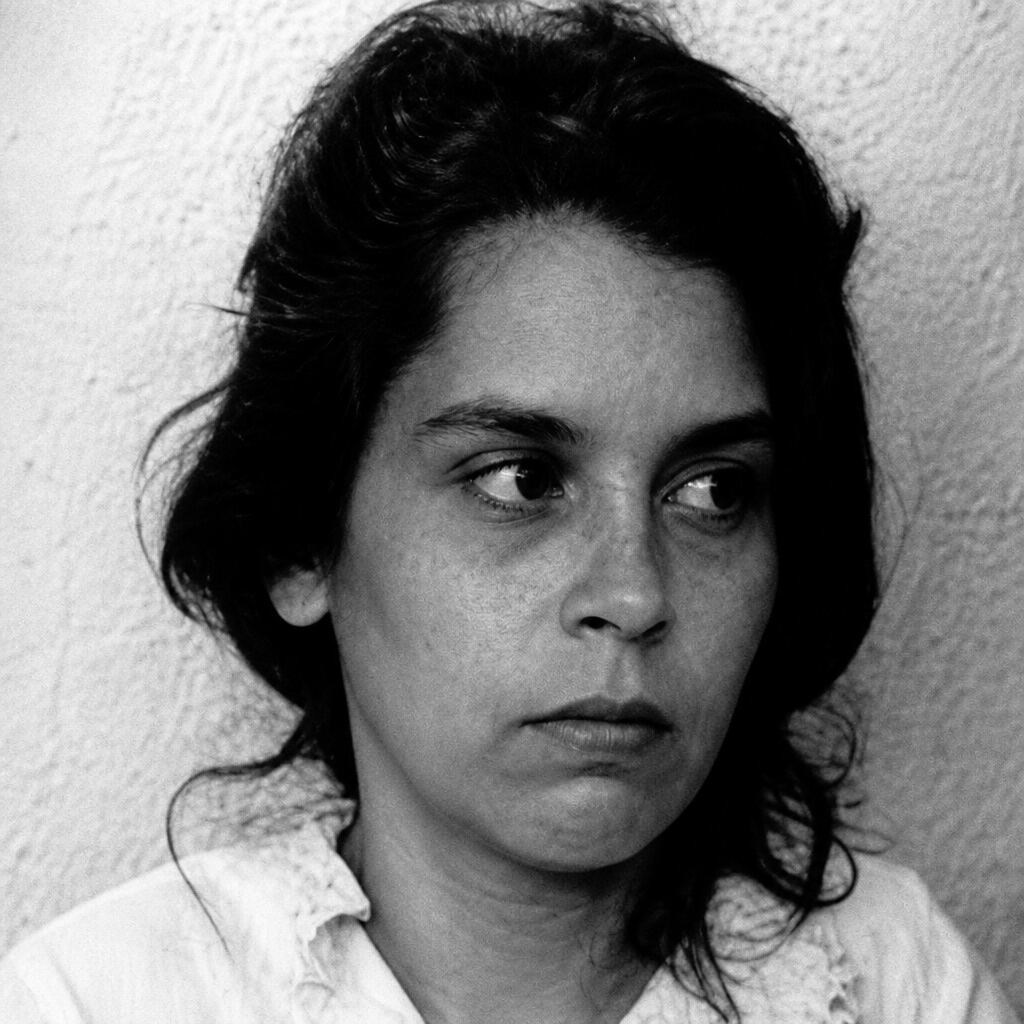
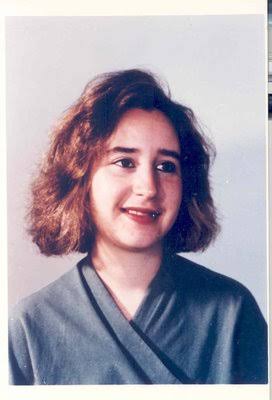
In the sprawling urban landscape of 1980s Toronto, Kelly Mombourquette was a child navigating a perilous world far beyond her years. At just 14 years old, she had become a runaway, caught in a cycle of drugs and street-level prostitution. Despite the hardships she faced, she was remembered by those who knew her. One acquaintance, Kelly Franklin, who later founded an organization to help victims of human trafficking, recalled Mombourquette from that era, a time when there was little understanding of coercion and the exploitation of vulnerable youth. Franklin noted that in those days, girls like Mombourquette were often dismissed by the media and society as simply prostitutes, obscuring the grim reality of their circumstances.

On the morning of Monday, October 19, 1987, the body of a young female was discovered discarded in a desolate industrial parking lot on Yorkland Boulevard in North York, a part of northeast Toronto. The victim was soon identified as Kelly Mombourquette. An autopsy revealed the horrific violence she had endured; she had been brutally beaten, and her throat was slashed. Investigators quickly determined that the murder had not occurred in the parking lot. The chilling absence of a significant amount of blood at the scene indicated that Kelly had been killed at another location before her body was moved and abandoned.

The investigation into the young girl's homicide led Toronto Police to charge three men with her murder: Carlos Zambrano, Sharma Marajh, and Subash Raggoo. The case against them, however, was built on a precarious foundation. The prosecution's key evidence was the testimony of a teenage witness, but her account proved to be unreliable and unraveled under scrutiny in court. Compounding the issue was a critical lack of forensic evidence that could definitively link the accused men or any specific location to the crime. With the witness's credibility destroyed and no physical evidence to support the charges, the case against the three men collapsed, and they were ultimately freed.

In the decades since the charges were dropped, Kelly’s murder has remained unsolved, a cold case haunted by unanswered questions and whispers of a larger, more sinister operation. Investigators heard rumors of a shadowy prostitution ring known only as “The Family,” which was believed to be operating in the city at the time. There was also mention of a mysterious and elusive figure known only as George or Junior, who was thought to be connected to the city's underbelly. It remains unknown if these leads were ever substantiated or what role, if any, they played in the final hours of Kelly's life.

The system that should have protected a vulnerable 14-year-old girl failed her, both in life and in death. Her story is a stark reminder of the dangers faced by street-involved youth and the complexities of bringing their exploiters and abusers to justice. Kelly Franklin, the trafficking survivor who knew her, highlighted the institutional barriers and lack of choices that trapped young women and girls in the 1980s, a perspective that was largely missing from the public narrative at the time of the murder.

As of December 2025, the murder of Kelly Mombourquette remains an open and unsolved case with the Toronto Police Service. No new suspects have been publicly identified, and no further charges have been laid since the initial case fell apart. Her killer or killers have evaded justice for nearly four decades, leaving behind a legacy of violence and a family without answers. The investigation continues, a cold file waiting for the one piece of information that could finally break the silence and close a painful chapter in the city’s history.