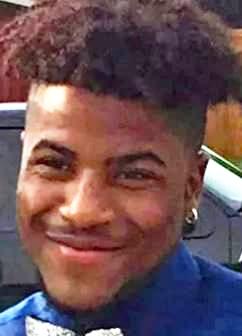
Marshawn Kneeland, a 24-year-old African-American man and defensive end for the Dallas Cowboys, died in Frisco, Texas, on November 6, 2025, after a night that began with a routine traffic stop and spiraled into a desperate search across the north Dallas suburbs. In the fall of that year he was in his second NFL season, a rising player who had just experienced the high of scoring his first professional touchdown on Monday Night Football, recovering a blocked punt in the end zone only days before
his death. Off the field, he was still carrying the weight of personal loss: his mother had died suddenly in early 2024, and he kept some of her ashes in a necklace he wore close to his chest, a small ritual of remembrance that friends and reporters noted when they described how much her absence shaped his life and ambitions. He lived in Plano, north of Dallas, commuting to the Cowboys' facility as his career accelerated and the expectations around him grew.
The final hours began when the Texas Department of Public Safety attempted to stop his vehicle for a traffic violation on the night of November 5, 2025, on the Dallas North Tollway. Instead of pulling over, the vehicle continued on, and troopers initiated a pursuit that headed toward Frisco. At some point, officers lost sight of the car and ended the chase, only to find the vehicle minutes later, crashed along southbound Dallas Parkway near Warren Parkway. Witnesses and early police reports described a lone male fleeing on foot from the wreck, later identified as Kneeland, prompting a multi-agency search through the surrounding area. Frisco police officers, joined by K-9 units and drones, combed nearby fields and roadside landscapes in the dark, establishing a perimeter as they tried to find him before something worse happened.
While that search was unfolding on the ground, a parallel effort was underway to locate him through the people closest to him. His girlfriend contacted authorities and reported that he was armed, struggling with mental illness, and had spoken of ending his life, warnings that turned the search from a simple attempt to find a fleeing driver into a race to intervene before he could harm himself. Police also responded to a welfare concern at his apartment complex in Plano, but they found no one home when they arrived. Back in Frisco, officers followed leads from the crash scene and the perimeter they had established, working into the early morning hours as the urgency of the situation grew.
Shortly after 1:30 a.m. on November 6, officers searching near the crash area found Kneeland dead with what appeared to be a self-inflicted gunshot wound. The Frisco Police Department announced that the case was being investigated as a possible suicide, and that the Collin County Medical Examiner would issue the final determination of cause and manner of death. Because investigators concluded that the gunshot wound was self-inflicted and there was no sign of another shooter, the case did not focus on any suspects, and no arrests have been reported in connection with his death. News of what had happened spread quickly across the league that morning as the Cowboys and the NFL publicly acknowledged his death.
In the days that followed, the bare facts of the police reports were overlaid with the grief of those who knew him. Teammates described a locker room in shock, players and coaches gathering in closed-door meetings to mourn a colleague they called a “beloved teammate,” someone who was intense on the field but gentle and thoughtful away from it. Former coaches from Western Michigan remembered the determined edge that carried him from an under-recruited high school player in Michigan to a second-round NFL draft pick, while also recalling the emotional toll of his mother's death and the way he tried to honor her memory as his career took off. His girlfriend later spoke publicly of her devastation and the depth of his internal struggle, adding another layer of heartbreak to a story that had already gripped fans who had just watched him celebrate in the end zone days earlier.
What remained after the initial news cycle faded was a portrait of a young professional athlete caught at the intersection of success and invisible pain: a player who had seemed to be on the cusp of a breakout season, yet who spent his final night running from flashing lights on a Texas highway and from the thoughts he had confided to those closest to him. The crash on Dallas Parkway, the quiet fields where the search ended, and the press releases that followed turned his story abruptly from one of potential into one of loss, leaving his family, teammates, and fans to reckon with questions that no investigation could fully answer.