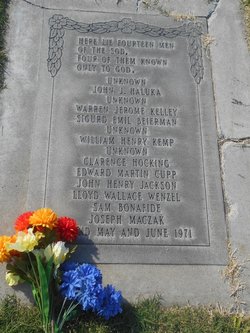
In the spring of 1971, a series of gruesome discoveries in the peach orchards of Sutter County, California, shattered the rural tranquility and exposed the horrific acts of a serial killer. Among the victims was a man named Melford Everett Sample. The story of his death is tragically intertwined with those of 24 other men, all part of a killing spree that would become one of the most notorious in American history.
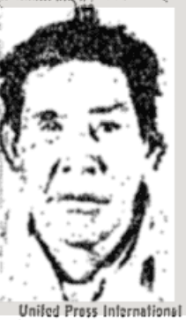
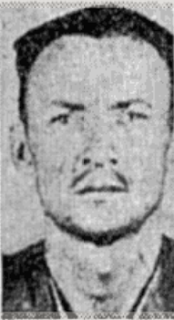
The victims, many of whom were itinerant farm workers, were found in shallow graves, their bodies bearing the marks of a brutal and methodical killer. Melford Sample, a Caucasian male, was one of these men, his life cut short in a wave of violence that terrorized the region.
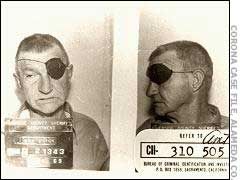
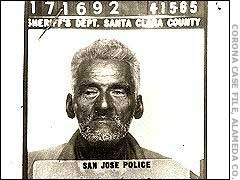
The investigation into the string of murders gained significant traction with the discovery of Melford Sample's body on May 21, 1971. Buried with him were two meat receipts from a local market, dated just days before. Crucially, the receipts bore the signature of a local labor contractor, Juan V. Corona. This discovery provided investigators with their first solid lead, directly linking a suspect to one of the victims. As the search of the orchards continued, more bodies were unearthed, and additional evidence pointing towards Corona emerged, including bank deposit slips with his name found in another grave. The grim tally of victims rose to 25, all men who had been hacked and stabbed to death. On May 26, 1971, Juan Corona, a married father of four with a history of mental illness, was arrested. A search of his home and vehicle uncovered a machete, a bloodstained club, knives, and a ledger containing the names of several victims, further solidifying the case against him.
Juan Corona's legal battle was lengthy and complex, involving two separate trials. The first trial concluded in 1973, with a jury finding him guilty on all 25 counts of first-degree murder after 45 hours of deliberation. He was sentenced to 25 consecutive life terms. However, this conviction was overturned in 1978 by an appellate court, which cited incompetent legal representation as the reason for a new trial. The second trial took place in 1982, where the defense attempted to shift the blame to Corona's deceased half-brother. Despite this new strategy, which included Corona taking the stand for a brief testimony, the jury was not swayed. After 54 hours of deliberation, they once again found Juan Corona guilty on all 25 counts of murder. He was returned to prison to serve his life sentence. Corona was repeatedly denied parole over the years and died in prison from natural causes on March 4, 2019, at the age of 85, taking the full story of his motives with him to the grave. The case of Melford Sample and the other 24 victims remains a dark chapter in California's history, a chilling tale of a predator who preyed on vulnerable men in the agricultural heartland.