In the spring of 1971, the quiet agricultural community of Sutter County, California, was rocked by a grisly discovery that would unravel a tale of serial murder. On May 19, 1971, a peach grower named Goro Kagehiro became suspicious of a freshly filled hole in his orchard. His call to the sheriff's office led to the unearthing of the body of 40-year-old Kenneth Whitacre, a homeless laborer.
An examination of Whitacre's remains revealed a brutal death; he had been stabbed in the chest, his head had been bashed, and he had been slashed across the back of his head with a sharp weapon. In fact, his head had been hacked, and his body was riddled with stab wounds. This gruesome finding was only the beginning of a much larger and more horrifying story.
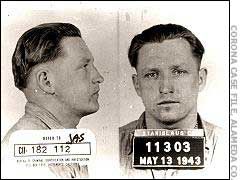
The investigation into Kenneth Whitacre's murder quickly escalated when, just days later, more bodies were discovered in shallow graves on a nearby ranch. The discovery of meat receipts bearing the name of Juan V. Corona in one of the graves provided a crucial lead for law enforcement. Corona, a 37-year-old farm labor contractor, became the prime suspect. A search of his home and vehicle uncovered a collection of weapons, including a machete, a meat cleaver, a double-bladed ax, and a wooden club. Investigators also found a ledger containing the names of several of the victims. With this mounting evidence, Juan Corona was arrested on May 26, 1971, just a week after Whitacre's body was found.
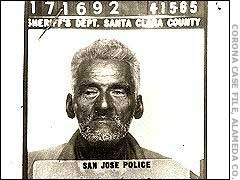
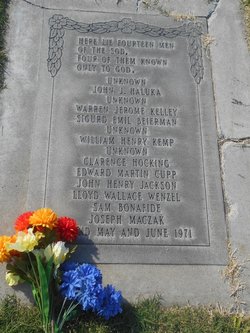
Over the following weeks, the grim task of exhuming bodies continued, with a total of 25 victims being recovered from their shallow graves along the Feather River. The vast majority of the men, who were itinerant farm laborers, had been viciously slashed and hacked, many with a machete. Juan Corona was twice convicted for the murders of all 25 men and sentenced to 25 consecutive life terms. The motive for the killings has never been definitively established, though at a parole hearing in 2011, Corona claimed the men were "winos" who had been trespassing. The case of Kenneth Whitacre's murder, initially a singular and shocking event, ultimately became the first chapter in the story of one of California's most prolific serial killers, a case that highlighted the vulnerability of a transient and often overlooked population.